STYLISA FoundHers Boardroom: We Don’t Just Need More Women in the Room. We Need Women Redesigning the Room.
Updated: Jul 24
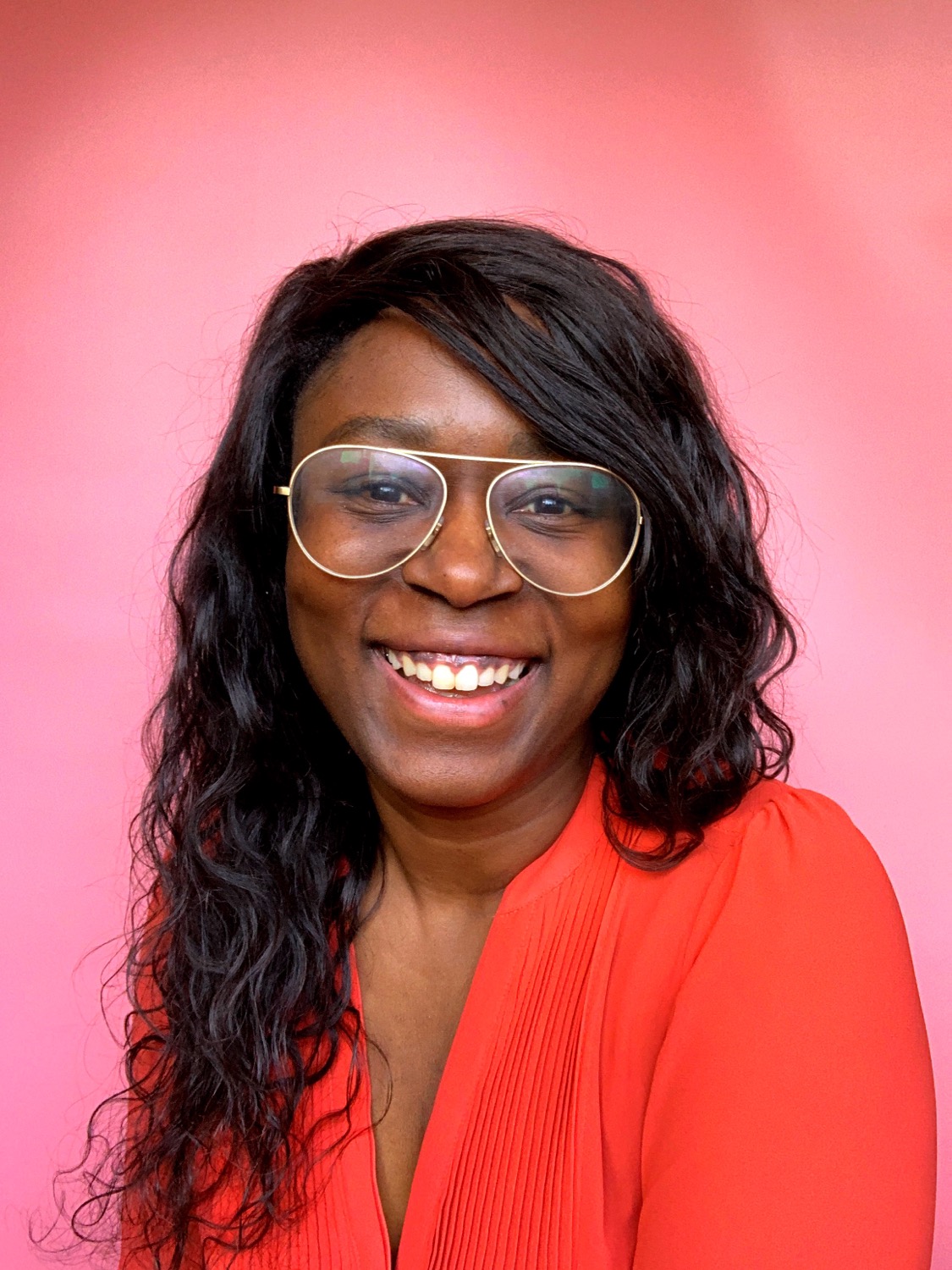
Dr Marilyn Comrie OBE on power, energy, systems and the future of global leadership.
This interview marks the beginning of a new chapter within STYLISA FoundHers.
FoundHers Boardroom has been created to explore what leadership looks like at the level where decisions shape systems, not just businesses. It is about power, influence, and the realities of operating in rooms where outcomes carry weight beyond the immediate. For this first interview, I spoke with Dr. Marilyn Comrie OBE.
Her work sits at the intersection of energy transition, global systems and workforce systems, advising on how to align capital, capability and infrastructure to deliver resilient, future-ready economies.. What follows is not a conventional conversation about leadership, but a deeper look at how systems are designed, challenged and ultimately built.

How would you describe your leadership identity today, and how has it evolved as you’ve stepped into more strategic and board-level roles?
My leadership identity today is that of a systems architect rather than an operator.
Earlier in my career, I was focused on delivery, building programmes, creating pathways into enterprise, particularly for women. That work was recognised when I received an OBE from Queen Elizabeth II in 2009. but more importantly, it grounded me in the importance of economic participation and access.
Over time, my work has evolved into advising and shaping systems at a higher level, working across boards, institutions and cross-border initiatives to align capital, infrastructure, and workforce capability. What I’ve come to understand is that sustainable impact doesn’t come from isolated interventions. It comes from how well the system is designed.
What have you learned about influence and decision-making from operating at board level that isn’t obvious from the outside?
Influence comes from understanding not just what is being decided, but what is driving the decision. Through my work across governance, investment and industrial transition environments, I’ve seen that decisions are shaped by:
risk exposure
political timing
and long-term strategic positioning
The ability to navigate that, while still holding onto outcomes that deliver real-world impact, is where influence sits. And increasingly, organisations are recognising the need for people who can bridge technical insight, policy context, and commercial reality.
There’s often a difference between having a seat at the table and having influence in the room. What have you learned about how influence really works in these environments?
Having a seat gives you access. Influence comes from relevance. You have influence when:
You understand the agenda behind the agenda
You can connect your point to what matters commercially or politically
And you’re willing to say what others are thinking but not articulating
I’ve also learned that influence isn’t always exercised in the room.Some of the most important conversations happen before and after the meeting.

Energy, geopolitics and global power are deeply interconnected. How do you see the current global landscape shaping opportunity, risk, and responsibility for leaders?
Today, we’re watching, in real time, how geopolitical conflict reshapes energy systems, and by extension, entire economies. The situation across the Middle East has reinforced something many of us working in this space have been saying for years: energy dependency is a strategic vulnerability.
When energy is disrupted, it doesn’t just affect power, it affects:
food production
supply chains
affordability of basic goods
and ultimately, social stability
For me, this moment isn’t just about risk, it’s a wake-up call. Global shocks, whether geopolitical conflict or supply chain disruption, are exposing how fragile our systems are. That creates risk, but also massive opportunity.
For leaders, the responsibility now is to think beyond short-term delivery and ask:“How do we build resilient, sovereign systems that can withstand global volatility?”
That’s where energy transition becomes strategic, not just environmental. In the work I’m involved in across industrial corridors and transition ecosystems, one thing is clear: resilience is no longer optional, it has to be designed in from the outset. That includes:
energy sovereignty
workforce readiness
and localised production capacity
Because when energy is disrupted, the knock-on effects, particularly on food systems and affordability, are immediate.
Energy is no longer just about power, it’s about sovereignty, stability, and survival. If we don’t redesign our systems to serve people first, we risk building a future that simply isn’t sustainable.
You’re repositioning yourself around hydrogen, energy transition, and international corridors. What triggered that shift, and why does this moment feel significant?
The trigger was recognising that the energy transition is no longer a future ambition, it’s a present-day necessity. What’s happening globally, from conflict to supply shocks, is exposing how interconnected everything is.Energy is not isolated. It underpins:
industry
transport
digital infrastructure
and critically, food systems
In parts of Africa, for example, rising fertiliser costs linked to energy disruptions directly impact food security. So this shift for me wasn’t just technical, it was systemic. If we don’t solve energy resilience, we don’t solve anything else.
The shift didn’t happen overnight, it’s been building for over a decade. My early work, particularly around women’s enterprise, which led to my OBE in 2009, was rooted in one core belief - economic participation changes lives.
Because in today’s world, economic participation is increasingly shaped by who has access to the industries of the future, and right now, energy is at the centre of that. Through my work with The Blair Project, I spent 12 years focused on one core question: how do we build a pipeline of young people, technicians, engineers, scientists, entrepreneurs, who are equipped to tackle the biggest challenges of our time?
What became clear is that talent alone isn’t the issue. The issue is systems that don’t connect education to real economic opportunity at scale. Now, with the energy transition accelerating, and global instability exposing how fragile our systems are, that work has evolved. Because if we don’t give young people a clear, credible pathway into the industries shaping the future, we don’t just risk a skills gap… we risk a generation disengaging from the very systems they’re expected to sustain.
Alongside that, my advisory and leadership work has consistently focused on how systems enable, or restrict, economic participation. What’s happening now globally has brought those two strands together. Because the energy transition isn’t just about infrastructure. It’s about who is prepared, positioned, and able to participate in delivering it. And increasingly, there is a need for leadership that can connect:
workforce systems
capital deployment
and industrial strategy
You’re actively building Verciti. What is it, what problem is it solving, and what role are you playing in shaping its direction?
Verciti is, in many ways, the evolution of that thinking. It’s a workforce readiness platform designed to bridge the gap between potential and participation, giving people, particularly young people, access to real, hands-on technical skills in sectors like hydrogen, electrification and advanced manufacturing.
What we’re building is not just training, it’s a pathway into the future economy. Because the energy transition isn’t just about infrastructure. It’s about who gets to participate in building it.
Verciti uses immersive, AI-enabled simulations to deliver hands-on technical training via smartphone or tablet, anytime, anywhere. It’s designed to rapidly upskill, reskill and new-skill workers across hydrogen, electrification, nuclear and advanced manufacturing.
The problem we’re solving is simple but critical: there aren’t enough skilled people to deliver net zero infrastructure at the speed required.
My role is to shape Verciti as an essential strategic infrastructure layer, something that sits alongside capital and physical assets to de-risk projects and provide a verifiable skills audit trail.
The Verciti SaaS platform enables organisations and governments to de-risk projects by ensuring that workforce capability is not an afterthought but embedded from the outset.
My role is to shape that at a system level, ensuring it aligns with:
infrastructure delivery
policy direction
and investment frameworks
Because increasingly, stakeholders are recognising that without workforce alignment, projects don’t scale.
There’s a difference between having insight and building something tangible. What made you decide to move from strategy into execution with Verciti?
At some point, insight without execution becomes frustration. I’d spent years advising, shaping strategy, influencing systems, but I could see the same gap appearing again and again: brilliant strategies with no mechanism to deliver them at scale.
Verciti is my response to that. It’s moved me from influencing the system to building within it, and that has made my leadership more decisive, more commercial, and much more accountable.

You’re working extensively in South Africa through Verciti. What drew you to that market, and what is it teaching you about building responsibly across borders?
South Africa sits at the intersection of resource potential, industrial ambition, and workforce need. It’s a country with enormous opportunity, but also complex realities. It’s teaching me that energy transition, if done properly, is an opportunity to rebalance global systems. Africa is often positioned as a recipient of solutions. In reality, it has the potential to be a producer of energy, a hub of green manufacturing, and a driver of new economic models. But that only happens if we build differently. What I’m seeing on the ground is the direct link between:
energy access
industrial capability
and food security
If you get energy right, you unlock local production, whether that’s fertiliser, processing, or manufacturing. If you get it wrong, dependency deepens. You have to co-create them with local institutions, align with local priorities, and respect existing ecosystems. Responsible building means:
Localisation, not imposition
Partnership, not extraction
Long-term commitment, not short-term wins
Working in South Africa has reinforced the importance of contextual intelligence. There is no one-size-fits-all model. What’s required is the ability to:
work across governments, institutions and industry
understand local economic dynamics
and co-design solutions that are both scalable and grounded
This is particularly important in regions where energy, industrialisation and food security are deeply interconnected. And it’s where thoughtful, well-structured intervention can unlock long-term stability and growth. It’s also reinforcing something I’ve always believed; young people are the most underutilised asset in any economy.
In South Africa, as in many parts of the world, you have:
a growing youth population
high levels of unemployment
and at the same time, a massive need for skilled labour in emerging industries
That disconnect is where both the risk and the opportunity sit. If we don’t create pathways, frustration grows. If we do, you unlock productivity, innovation, and long-term stability.
That’s why everything we build has to be anchored in access and inclusion—not as a side conversation, but as a core design principle.
What does genuine, equitable partnership look like in practice when you’re working across borders and cultures?
Genuine partnership starts with shared value, not just shared activity. It means moving away from models that prioritise extraction and short-term returns, towards models that prioritise shared resilience and long-term value creation.
In today’s world, equitable partnership isn’t just a moral position, it’s a stability strategy. Because if systems are built in a way that excludes large parts of the population, the outcome is predictable: economic imbalance, social pressure, and ultimately unrest.
So for me, partnership means designing systems where:
value is distributed
capability is built locally
and people are not just beneficiaries, but participants
In practice, that means:
Aligning on outcomes that benefit all parties
Being transparent about commercial structures
Ensuring local partners have agency, visibility, and economic participation
It also means being willing to listen, and to adapt. Equity isn’t a statement. It’s designed into the structure of the partnership.
As a woman operating at this level, what does it mean to you to be visible not just as an adviser or board member, but as a builder?
It means carrying both legacy and responsibility. Because visibility creates permission. When women are visible as builders, not just contributors, it expands what others believe is possible. And right now, we need more women stepping into leadership, not just to participate in the system, but to reshape it.
Visibility now isn’t just about representation, it’s about demonstrating what’s possible at scale.
Because when women are visible not just as advisers, but as builders of systems and infrastructure, it changes expectations, not just for women, but for how leadership itself is defined.
A fairer, more equitable world doesn’t happen by default. It happens when different voices influence how decisions are made, how value is distributed, and what success looks like. For me, it’s not just about being in the room. It’s about helping to change what the room prioritises.
We are at an inflection point. The current model, where profit and shareholder value dominate decision-making, has delivered growth, but it has also created fragility.
What we need now is a rebalancing. A system that places people, resilience, and long-term sustainability at its core. Visibility as a builder changes the narrative. It moves you from being seen as someone who contributes to conversations… to someone who creates outcomes.
For me, that visibility is important because it challenges assumptions about where women sit in these ecosystems.
We’re not just observers or advisers, we are architects of systems, builders of platforms, and drivers of economic change. Being visible as a builder allows me to contribute to that shift—not just in conversation, but in practice. It means being part of shaping what the next system looks like.
What advice would you give women who want to operate at board level or influence global systems, but don’t yet see themselves reflected there?
Start with impact, not titles. Focus on:
solving real problems
building credibility through delivery
and positioning yourself where decisions are being shaped
But also recognise that we are entering a period where new leadership is required. Leadership that understands:
systems, not silos
long-term resilience, not short-term gain
and people, not just profit
And that creates space, for women who are ready, to step forward. This is one of the most important moments to step forward. The world is not lacking ideas, it’s lacking leaders who are prepared to act in the interest of the many, not just the few. So my advice is:
develop expertise in areas that matter now, energy, infrastructure, systems
understand how power actually works
and don’t be afraid to challenge outdated models
Because the systems we build over the next decade will determine whether we move towards shared prosperity… or something far more unstable. We’re entering a period where new types of leadership are required. Leadership that understands:
systems, not silos
resilience, not just growth
and long-term value, not just short-term return
For those already operating in or moving towards board-level environments, the opportunity is to position yourself where complex decisions are being shaped. Because that’s where the greatest impact, and increasingly, the greatest demand for experienced, systems-level thinkers, sits.
The advice I’d give to women is don’t underestimate the value of the work you’ve already done. Whether it’s building businesses, supporting communities, or creating opportunities for others, those experiences are not peripheral. They are foundational to leadership.
My own journey, from women’s enterprise to being recognised with an OBE by Her Majesty the Queen, to now operating at the intersection of energy, infrastructure and global systems—has been a continuum, not a pivot.
So step forward, own your experience, and position yourself where decisions are being made. Because the world needs leadership that understands both people and systems, and many women already do.
Don’t wait for permission. Don’t wait for reflection. Build your own reference point. Focus on:
Developing deep expertise in a space that matters
Understanding how decisions are actually made
And positioning yourself where strategy meets execution
Also, recognise that confidence doesn’t come first, competence does. And remember. Proximity matters. Get into the rooms, the networks, the conversations, even if you feel like an outsider at first. That’s how the shift happens.
One fiinal note. If we fail to give young people a pathway into the future economy, we don’t just create a skills gap, we create instability. And if we don’t bring more women into leadership, we limit our ability to build systems that truly serve society.
A special thank you to Dr Marilyn Comrie OBE, for being the first FoundHers Boardroom interviewee, becoming a part of the STYLISA FoundHers community. If you’re interested in finding out more about her work:
Visit Verciti's website: https://www.verciti.com
Connect with Marilyn on LinkedIn


Comments