STYLISA FoundHers March: Emma Lightbown on Building a 20-Year Fashion Career on Her Own Terms
Updated: Jul 24
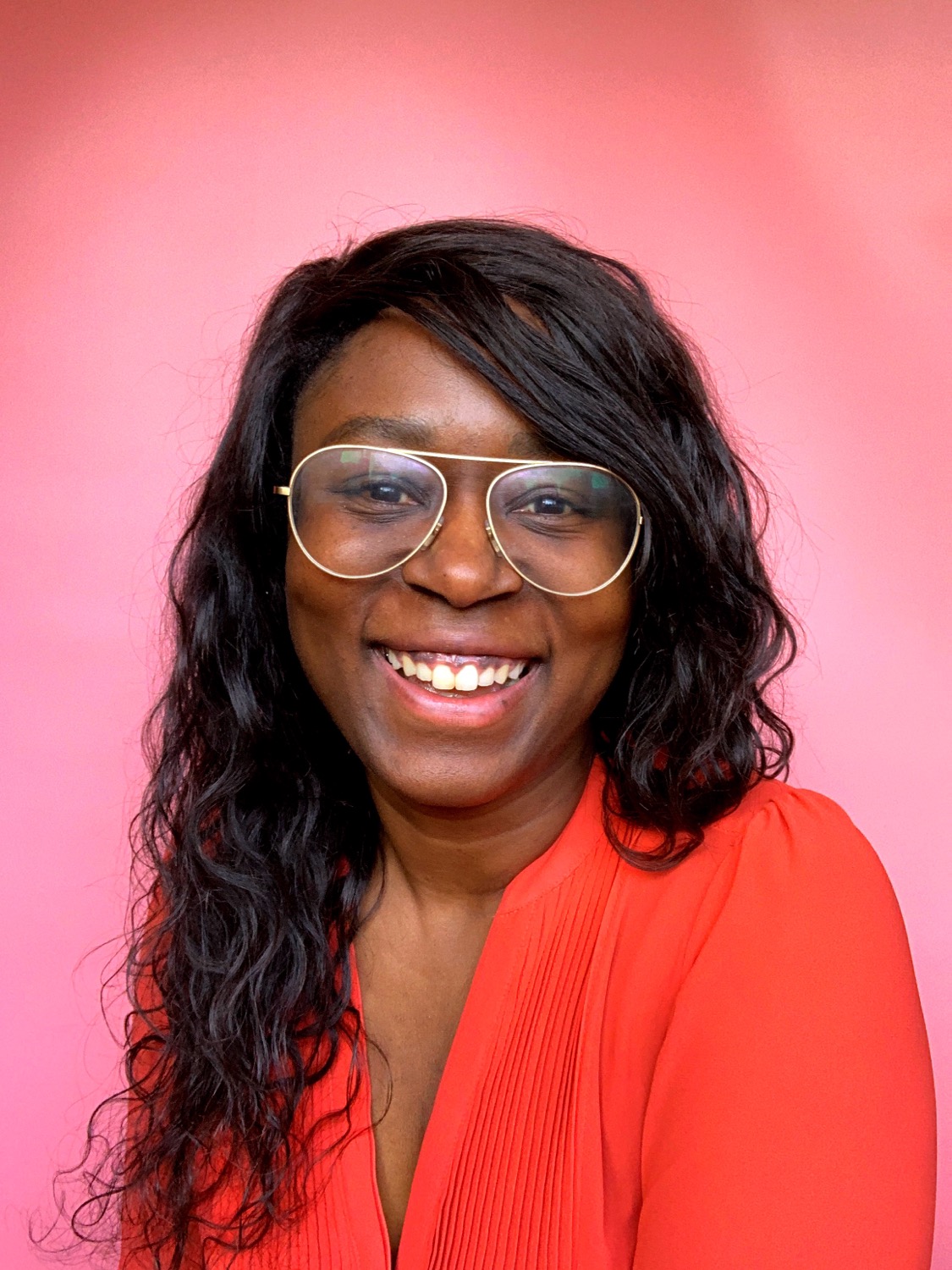
Some careers in fashion are built on hype. Others are built on evolution. Emma Lightbown’s 20-year journey sits firmly in the latter. From modelling campaigns as a teenager to building sets with power tools and presenting live on QVC, Emma has quietly shaped a multi-layered career rooted in creativity, graft and curiosity. In this STYLISA FoundHers conversation, she shares how she moved from feeling “seen and not heard” to finding her voice — and why fashion should feel like self-care, not a set of rules.

Let’s start at the beginning. What inspired your transition from modelling to styling and presenting, and how did your early experiences shape your career path?
My original goal had always been to work in tv, growing up in a small town outside of Leeds I wasn’t sure there would be much opportunity for me to be in front of camera so had set my sights on becoming a researcher / producer. I’d been studying media when I fell into modelling and got swept away with shooting campaigns, travelling to new places and working in the fashion industry. I loved modelling and have always been very creative but I’m also a problem solver at heart so often felt frustrated at not being able to give my opinion on set - very much when I modelled we were seen and not heard! So I spent years watching the various team members on set and loved the role the stylists played. I began styling shoots for my (now) husband who is a photographer and gradually built enough contacts and clients that I was able to switch from modelling into styling. The first year into styling I was lucky enough to land a presenting job for Sky Showbiz which combined both presenting and styling. I dipped in and out of presenting whilst styling and then during lockdown (like so many others!) decided to reassess my goals and realised despite still loving styling shoots, presenting was where I really wanted to be.
You’ve worked in the fashion and advertising industry for over 20 years. How have you seen the industry evolve, and what significant changes have impacted your work?
When I first started in the industry digital photography was only just being introduced - my first shoots were all on film, using polaroids to check the set up! That had a huge impact on the industry and opened it up to a whole new bunch of creatives and new ways of working. I’ve also really enjoyed watching the industry develop its ideas of inclusivity - there is still a huge way to go and many brands still don’t understand the difference between tokenism and true inclusivity but its definitely much improved from my early years in the industry.
Your podcast, Off the Hanger, delves into guests’ wardrobes and the stories behind their favourite pieces. What motivated you to start this podcast, and what have been some of your most memorable interviews?
I’ve always been fascinated with peoples personal style and so Off the Hanger started as a passion project – a place to have fun yet honest conversations about fashion, identity, and the stories behind the clothes we wear. It’s grown steadily, and it’s been amazing to see the community around it take shape. I'm now looking at ways to develop it further, including opening it up to a few like-minded sponsors who share the same values and ethos as the podcast. I’ve interviewed nearly 100 guests from all different walks of life about the meaning behind their clothes from sentimental stories of family heirlooms to hilarious fashion fails. There are so many stand out guests its really hard to choose but I’ll always be super grateful to Polly Brindle from Netflix Selling the OC for being my first guest. I loved chatting with Australian Drag King Freddie Merkin who was utterly fabulous and the heartbreaking honesty of Robyn Elektra who spoke about her life saving transgender lingerie brand.
As a regular fashion expert on QVC, how do you approach presenting fashion to a broad audience, and what challenges and rewards come with live broadcasting?
Although you get very comfortable with live tv, it always feels exciting because no two shows are ever the same. QVC has been an incredible environment to really hone those live tv skills, they have an incredibly engaged audience and a huge mix of brands. Fashion is subjective so I feel there is always an audience for every brand / item, its finding who that brand’s core customer is and speaking to their individual needs. I think QVC’s style of presenting very much suits my chatty, friendly nature - its not about a hard sell, its about being informative and entertaining.
You’ve collaborated with brands like Phase Eight, Blue Vanilla, and Chi Chi London. How do you select brand partnerships, and what do you look for in a collaboration?
My basic rule is if I wouldn’t shop there then I wouldn’t prompt it. I like to work with brands who I’m either an existing customer of or who’s products I’ve had my eye on. I’m mainly focussed on fashion but have also worked with beauty, health and tech brands however you would never see me promoting things that I don’t believe work (quick fix weight loss brands) or brands that encourage women to feel negatively about themselves.
Your career spans styling, set building, and presenting. How do you balance these diverse roles, and what skills have been transferable across these disciplines?
The over-riding theme of everything I do is creativity - if its something creative then I’m always willing to give it a go. For example set building came because I’d previously styled props on set, which escalated to room dressing, which then grew in set building. I’ve been lucky to work with incredible teams and I believe every experience is an opportunity to learn - I’ve never been afraid of asking questions which has helped widen my skill set massively. One of the main parts of my job as a stylist is interpreting a clients vision, being a good communicator is vital and this has definitely helped moving into presenting.
Fashion can be a powerful tool for self-expression. How do you encourage clients and audiences to find and embrace their personal style?
Firstly recognising that fashion is subjective, the media and fashion industry are constantly selling us trends but we need to acknowledge that all of our styles our personally unique and whilst Hailey Beiber might look great in that clean girl aesthetic if you naturally love bright colours then maybe that trend is not for you. I try to teach people that there is no right or wrong answer, we’ve been force fed this idea of fashion rules and actually we should be wearing things that make us feel fantastic! Getting dressed every day should be an act of self care, taking the time to decided who you want to be that day and how you’re going to project that with your clothes.

You’ve mentioned being as comfortable with a power tool as with a Prada handbag. How does this versatility influence your approach to styling and set design?
I’ve never had any problems getting my hands dirty, whether thats being on my hands and knees tying a models shoe laces or spending hours covered in sawdust and paint crafting the perfect set - its always about the end result and creating the best possible shot. I’ve also never been precious about my work being the star of the show - understanding that every element of the shoot has to work together to create the best possible results sometimes means that the styling isn’t heavily featured or that the set in out of focus in the background - to me that doesn’t matter, its all about the finished campaign.
Balancing a demanding career with motherhood and personal interests like singing and paddleboarding is no small feat. How do you manage these aspects of your life, and what advice would you give to others striving for balance?
Finding balance is hard, especially as a freelancer. It’s taken many years to get over the guilt of resting, taking things easy and having hobbies. Freelance life tends to be feast or famine - I’m usually either swamped with work or repeatedly refreshing my email hoping the next job will come in. I’ve learnt to take full advantage of both - embracing the quiet periods spending time catching up with friends or going to yoga in the middle of the day, but then also remembering to be grateful and present when work is so busy I feel like a headless chicken! Neither feast or famine last that long before swapping over - this definitely suits my personality and the way I like to work, I wouldn’t have the first clue about coping in a regular 9-5!
Your warmth and northern charm are often highlighted in your presenting style. How has your background influenced your professional persona and approach to work?
Growing up in the North definitely shaped who I am. There’s a real down-to-earth, hard-working attitude – you just get stuck in and get things done. I’ve always been around people who tell it like it is, have a strong sense of humour, and don’t take themselves too seriously, and that’s rubbed off on me. I’d say I’m pretty thick-skinned, not afraid of hard work, and I always try to bring a bit of warmth and honesty to whatever I’m doing.
With the rise of social media, how have you adapted your work to engage with online audiences, and what role does digital presence play in your career today?
Social media is a great way of showcasing work and has often been how new clients have found me. As a stylist I’ve found many brands are now focussing more heavily on their social media content than traditional advertising methods as it gives a more direct connection to their customers. The content produced in itself has also evolved to be more social media savvy - attention grabbing hooks, jumping on trends and posts that inspire engagement. As a presenter social media is a great way of showcasing personality and expertise, I chose to split my accounts to have one solely for styling work and the other more personal fashion / presenting work.
Finally, what advice would you offer to aspiring stylists and presenters looking to break into the fashion industry?
Don’t be afraid to get your hands dirty, be part of the team and realise that no body on the team is more important than anyone else - whether its the director or the runner everyone deserves the same level of respect. For those wanting to be stylists the best way to learn is on the job - courses and university can only teach you so much, actually getting on set through assisting, offering to make tea or just helping carrying bags will progress your career so much faster than a degree. Be helpful, be humble and ask questions - especially if you’re doing shoots for free / low pay, the knowledge you learn is often worth more in the long run than the day rate so just make sure you’re asking questions to get the value!
A massive thank you to Emma Lighbown, for agreeing to be interviewed and becoming a part of the STYLISA FoundHers community. If you’re interested in finding out more about her work:
Visit Emma's website: https://www.emmalightbown.com


Comments