STYLISA FoundHers February: Ngunan Adamu on Voice, Leadership and Legacy in Media
Updated: Jul 24
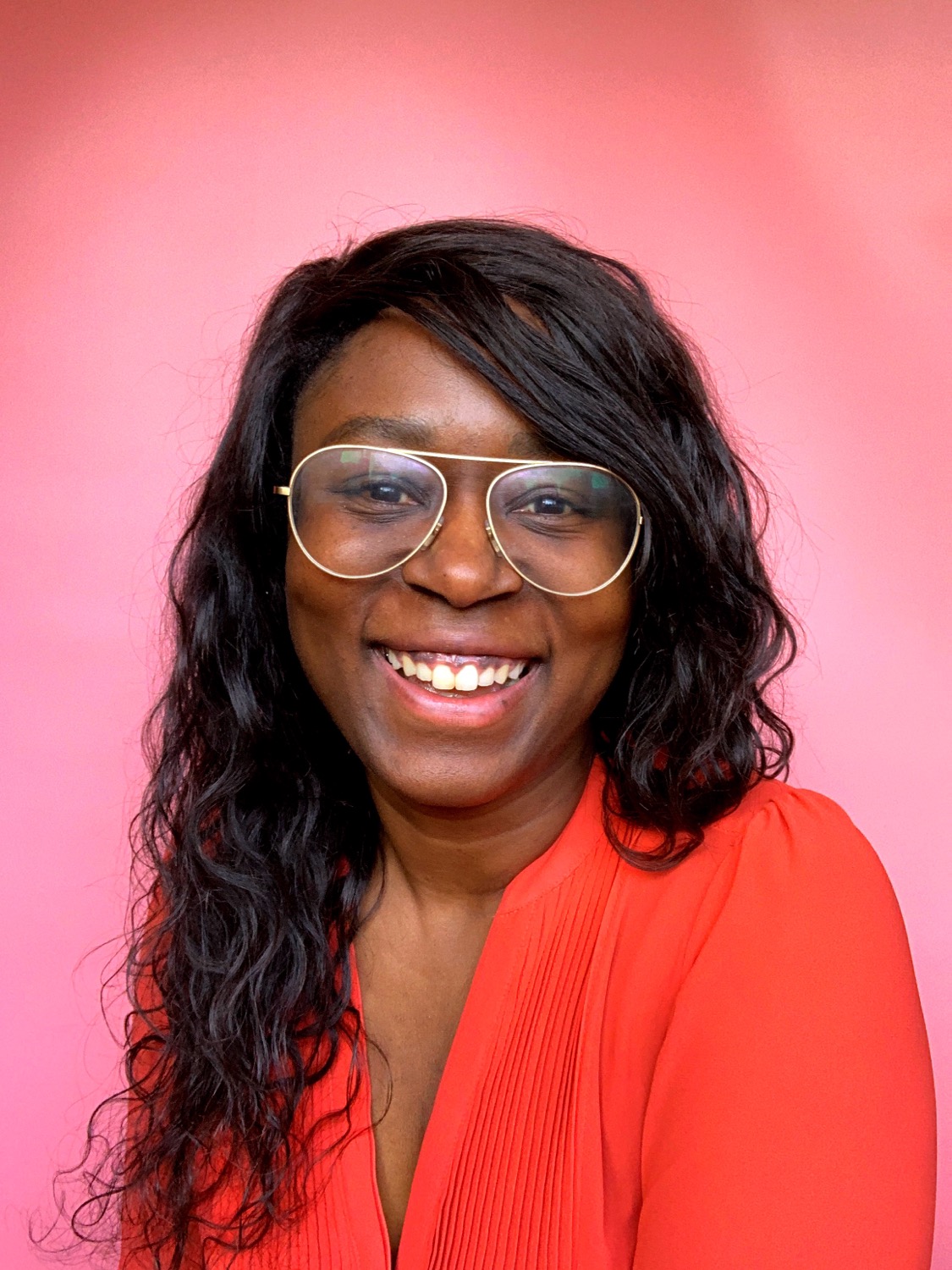
Some founders build businesses. Others build platforms that change who gets to be seen, heard and believed. Ngunan Adamu belongs firmly in the second category. As the founder and Managing Director of iWoman Academy CIC, a media professional with nearly two decades at the BBC, and the voice behind a national Black magazine programme, Ngunan has spent her career using media not as a spotlight for herself, but as a tool to amplify others. In this conversation, she reflects on justice, leadership, community and why confidence is something that grows when people finally see themselves represented.

Let’s start with your story. What experiences led you to use media as a tool for empowerment and social change?
For as long as I can remember, I’ve had a strong sense of justice. Even as a little kid in one of my primary schools, I’d always hang out with children who had additional needs, not because I felt sorry for them, but because they were genuinely fun and kind, and there was no judgement. I felt so protective of them that I’d go toe-to-toe with anyone trying to bully them. Looking back, I realise that was my first taste of what equality should feel like.
Fast forward a bit: growing up as a Nigerian Scouser, deeply connected to my heritage, I couldn’t help but notice that stories from underrepresented communities or people with protected characteristics were just missing from mainstream media. It frustrated me, and I knew something needed to change. That’s really when I saw the power of media. It’s not just a tool for spreading negativity or propaganda; it can be a force for good, for sharing positivity, and for amplifying real voices. Becoming a journalist genuinely felt like my calling, I could feel it in my bones.
At university, I worked on two projects that really shaped my journey. My dissertation was about the media’s portrayal of the Palestinian and Israeli conflict, focusing on how language is used which was pretty bold at the time! I also designed and produced a website for refugees and asylum seekers new to Merseyside. Both projects made me realise just how much representation and storytelling matter.
At the end of the day, my passion comes from my family my parents and grandparents always believed in fairness and did what they could with whatever resources they had. I’m not trying to be Oprah, but I genuinely believe we can all do our bit. For me, media is how I try to make a difference.
From modelling change to mentoring others. What personal values and philosophies guide you as a leader and founder?
At the core of everything I do is a belief in fairness, equality, and genuine connection. I’ve always felt that everyone deserves to be seen and heard, regardless of their background or circumstances. Growing up as a Nigerian Scouser, rooted in both cultures, I quickly learned the importance of representation whether in media, the workplace, or the wider community.
As a leader, I don’t just want to talk about change I want to live it out loud. That means leading with empathy, listening deeply, and standing up for what’s right, even when it’s uncomfortable. I really believe in the idea of “lifting as you climb” making sure that as I move forward, I’m opening doors for others, especially women and those from underrepresented backgrounds.
I’m not interested in perfection. I value authenticity and vulnerability, because I know that real impact comes from being honest about the journey, including the bumps along the way. I try to model that for others, whether I’m running a business, presenting, or mentoring, encouraging people to show up as themselves and supporting them to reach their potential. For me, leadership is about service. It’s about using whatever influence you have to create opportunities and positive change for others. My family raised me to believe that if you can help, you should. That’s a philosophy I live by.
During Covid, I remember writing down three things that mattered most to me. Two of them have really stayed with me: “Please God, use me as your vessel to make change in the world,” and, “Please God, give me the strength to give people the energy to leave my presence feeling better than they arrived.” For me, that sums up what leadership is about, making a difference, even in small ways, and being intentional about lifting others up.
It’s not about being the loudest voice in the room; it’s about making space for others, sharing what you know, and leaving things just a little bit better than you found them.
When did you realise your voice could amplify others’ voices, and how did that shape your purpose?
I could give the cliché answer and say it happened when I got my radio show but honestly, it started way before then. My family always told me I was gifted and had this energy that drew people in, but I really noticed it back in primary school. When I’d look out for friends with additional needs. My presence gave them confidence, and my confidence kind of rubbed off on them they got bolder, and it was actually fun to watch them come out of their shells.
I was also on the school debating and quiz team, and I was a key member, I loved speaking up and helping the team win arguments. Even getting my first job at McDonald’s at 16, I saw how people gravitated towards me, how I could boost morale or hold the space for others. I’ve always known my presence was powerful. I’ve never minded being the one to take the hits or be the “scapegoat” to shield others, because I know my shoulders can handle it. There’s something about knowing you can carry a bit more so others can shine.
Now, as a presenter and entrepreneur, I see how much weight my voice really carries from the projects and initiatives I create, to the interviews I conduct, and the networks I help build. I see the impact, and it’s become a big part of my purpose: using my voice, energy, and platform to help lift others up and create spaces where more people feel seen, heard, and empowered.
What’s a surprising or underrated skill you’ve honed along the way, whether from broadcasting, training or consultancy?
Honestly, I’d say one of the most underrated skills I’ve developed is the art of active listening. People often assume that working in media or running workshops is all about talking, presenting, or taking the lead but it’s actually about really hearing what people are saying (and sometimes what they’re not saying).
In broadcasting, it’s about picking up on those little cues in someone’s voice or story and knowing when to dig deeper, when to give space, or when to just let a moment breathe. In training and consultancy, active listening means genuinely understanding what a community or client needs before jumping in with ideas. It’s helped me build real trust, spot opportunities others might miss, and create spaces where people feel safe enough to open up and grow. It’s not a flashy skill, but it’s honestly made all the difference not just in my work, but in how I connect with people, build relationships, and make an impact.
On a more personal note, I’m a natural empath. I can sense people’s energy and sometimes absorb it, so I always have this urge to help and support others. But after my experience with cancer, I’ve learned the importance of being mindful about my own capacity and boundaries. I know now that I can’t pour from an empty cup, and that it’s okay to step back or ask for help when I need it. That’s one of the reasons I’m actively expanding my team—to make sure I’m supporting others, but also taking care of myself.
Being able to truly listen to others, while also listening to myself, has shaped the way I lead and make an impact. It’s not something you see on a CV, but it’s been a game changer for me.
Your mission is about cultural change and confidence-building. What was the gap you saw in the market, and how does iWoman Academy address it?
The gap I noticed was really clear: so many women especially women from diverse, underrepresented backgrounds weren’t being given the space, confidence, or support to share their stories, step into leadership roles, or even just believe in themselves. There’s a lot of talk about “empowerment” in the media, but on the ground, too many women are still struggling to find their voice, to access the right opportunities, or even to see themselves reflected in the spaces they want to be part of.
For me, the turning point came after surviving three rounds of job cuts at the BBC, while my son was just 18 months old. I remember asking myself, “If I lost my job tomorrow, where would I even start?” That question lit a fire in me. I wanted to create something that was non-judgemental, that would genuinely provide women with digital skills and the confidence to use them. But it was about more than just skills it was about amplifying women’s voices. We already have a voice; what we need is amplification and the tools to make ourselves heard. So I started thinking: what are the skills women need to do that, and how can we create a safe, supportive space to learn them?
And honestly, I’ve always believed that if we get women right especially Black women we’re all alright. When Black women are empowered and supported, whole communities benefit.
That’s why I created iWoman Academy. It’s not about ticking boxes; it’s about building a genuinely supportive community where women can gain real skills, develop true confidence, and see themselves reflected and celebrated. Whether it’s through media training, personal development workshops, or just connecting women with each other, the focus is always on real, lasting change.
iWoman Academy exists to fill that gap to give women a platform, build confidence from the inside out, and equip them to become leaders in their own right. It’s about breaking down cultural and social barriers, amplifying the voices that need to be heard, and reminding women that they already have everything they need they just need the opportunity to show it.
You co-create leadership and EDI programmes. Why is that participatory approach so important, and what impact have you seen?
For me, the participatory approach isn’t just a buzzword it’s at the heart of everything I do. I’ve worked with universities, banks, charities you name it and the best way to create meaningful programmes is always through storytelling. When people see themselves, their neighbours, or their colleagues reflected in the conversation, suddenly the policies and programmes make sense on a human level.
What makes my programmes stand out is that I use media as a wellbeing tool to co-create and support teams and organisations. Media whether it’s storytelling, podcasting, or even short videos has this incredible ability to connect people, boost confidence, and surface issues that might otherwise stay hidden. It’s not just about communication; it’s about creating spaces where people feel safe to share, learn, and grow together.
By co-creating with participants, we build leadership and EDI strategies that are genuinely meaningful and sustainable. I’ve seen the impact: people feel more empowered, teams become more cohesive, and organisations start to see real, lasting cultural change. When individuals are part of the process, they’re not just ticking boxes they’re building a sense of ownership, wellbeing, and pride in their work.
That’s why I believe media is such a powerful tool for change it brings stories to life, brings people together, and makes every policy and programme that much more relevant and impactful.
How does your work with bodies like the BBC World Service and Local Authorities feed into your academy’s content and reach?
While working with the BBC World Service and local authorities has definitely expanded my perspective giving me a deep understanding of powerful storytelling and how big organisations operate it’s actually my work with charities and social enterprises that has best shaped what I do within iWoman Academy CIC.

Charities and social enterprises have taught me what real impact looks like at the grassroots level. They’ve shown me the importance of building genuine trust, being adaptable, and staying focused on the needs of the community, rather than ticking boxes or chasing headlines. Through these partnerships, I’ve learned how to co-create programmes with participants, making sure the content is not just relevant, but practical and immediately useful.
It’s this experience that influences how we design our workshops, select our trainers, and even how we reach out to women who might otherwise get left behind. Everything from digital skills to confidence-building, media literacy to leadership development, is shaped by the understanding that change happens when you listen first and act in partnership with the people you want to serve.
Of course, my experience with the BBC and local authorities still plays a huge role, especially when it comes to scaling our reach and amplifying women’s voices. But at the heart of iWoman Academy CIC is that grassroots, community-focused approach I learned from the charity and social enterprise sector. That’s what keeps our work authentic, relevant, and able to create real, lasting change for the women we serve.
Upfront is the only Black magazine show on Merseyside. How have you shaped its editorial voice, and what feedback has resonated most with you?
Upfront actually evolved a couple of years ago and is now known as BBC UK Black a national brand for BBC local radio. I now present across the North West, which has massively expanded our reach and impact.
Shaping the editorial voice has always been about authenticity and representation. I wanted to make sure we weren’t just ticking diversity boxes, but genuinely reflecting the real lives, concerns, joys, and achievements of Black communities in Merseyside and beyond. That’s meant covering everything from grassroots issues to national conversations, and always making space for voices that aren’t usually heard in mainstream media.
One thing that makes me smile is the feedback I get from contributors they genuinely love being interviewed by me! My presenting style is definitely non-judgemental, honest, warm, and occasionally funny. I want guests to feel completely at ease and able to speak their truth, whether we’re discussing tough topics or sharing moments of celebration. People know they can bring their whole selves, and their stories will be respected and valued.
The feedback that resonates most with me is when listeners say they finally feel seen and heard, or when someone tells me, “That could have been my story you covered.” That’s what makes it all worthwhile: knowing people recognise themselves in what we do, and feel connected even if they’re miles away.
Moving from a local to a national platform has only strengthened my belief that there’s a real hunger for this kind of programming, and I’m grateful to help shape a space where Black stories aren’t just included, but truly centred.
In your decade at the BBC, who has challenged or mentored you most, and what did you learn from them?
It’s wild to think, but I’ll actually hit 20 years at the BBC this November though I’ve been presenting my show for 10 of those years. Over that time, I’ve been fortunate to have so many mentors, both inside and outside the BBC, who’ve really shaped my career and my approach to media.
Before the BBC, I worked as a community health reporter for Voices newspaper in Toxteth. My first real mentor was Sam Semoff, who opened my eyes to the true power of community media. He taught me that when mainstream outlets don’t want to tell our stories, we have to create our own platforms. That mindset has stuck with me ever since.
When I joined BBC Radio Merseyside, James Klass became both a mentor and an uncle-like figure to me. He was a radio DJ but also someone who really understood the importance of community. He taught me the ins and outs of radio, and reminded me that even as BBC staff, we’re the voices that need to stand out for the people we represent.
Another mentor I have to mention is Margaret Burgin we worked together for about seven years, mainly on the BBC News School Report project across the North of England. Margaret gave me a broader perspective on how the BBC works and shared invaluable advice on how to navigate such a huge organisation.
Jonathan Aspinwall was another important mentor. He encouraged me to be across all the news channels and print newspapers—not just to keep up with the headlines, but to see how every story is covered differently across platforms. That way, I could get a much fuller, more nuanced picture. He always reminded me of that classic saying: “There are three sides to every story, your side, their side, and the truth.” That’s really influenced how I approach both news and storytelling.
I’d also like to mention Geoff Thompson, even though he wasn’t officially part of the BBC. I met him through BBC circles and he immediately took me under his wing. Geoff helped me see the BBC from a strategic, external viewpoint and gave me the guidance to carve my own path.
There are honestly too many names to mention, but the biggest lesson I’ve learned through all of this is: choose your battles, create your own table, and own your voice. Don’t wait for permission to tell your story or make an impact, sometimes, you have to build your own platform and invite others to join you.
Storytelling matters now more than ever. What’s a story or voice you’ve helped elevate that still sticks with you?
Wow, that’s a big question! I’ve been lucky to have some remarkable interviews, but there are two that really stand out for me.
The first was when I interviewed a Liverpool-based trans man of Somali descent. You rarely hear the stories of trans men especially in mainstream media, where the focus is often on trans women. On top of that, he was Muslim, which is another layer we hardly ever discuss publicly. I was genuinely proud of that story, not just because it was rare, but because he trusted me to tell it with honesty and respect.
The second was with Shane Smith, a Windrush scandal victim from Liverpool. I was introduced to him by his brother, and when we put his story out there, it took off nearly 400,000 views on TikTok, over 50,000 on Instagram, and it even caught the attention of BBC News. But for me, what really mattered was that Shane trusted me to help share his story. There’s something powerful about being able to give someone a platform and then seeing their truth resonate far and wide.
And if I can throw in a third moment, years ago I had the honour of interviewing Rev Jesse Jackson. He told me, “Keep hope alive.” That’s stuck with me ever since. Every time I interview someone, I remind myself that my job isn’t to tear people down it’s to listen, to hold space, and to help translate their story for the audience. It’s about lifting people up and sharing hope, no matter how tough the subject matter.
Those are the moments that remind me why I do what I do: storytelling is about trust, representation, and giving people a real chance to be seen and heard.
From founder to CEO to mentor. What’s the next step in your personal journey, and how does that align with iWoman’s future?
I’m at a really exciting point in my journey moving from founder to CEO to mentor, and now thinking even bigger about what’s next for me and for iWoman Academy. For me, it’s all about scaling our impact and legacy.
Right now, we’re launching some incredible new initiatives. One I’m really passionate about is The 1000 Club, a financial literacy programme open to all women but with a focus on underrepresented and marginalised women. It is focused on building generational wealth, knowledge, and confidence with money. We’ve also created Roots and Pride, an event that celebrates the stories and contributions of migrants in Merseyside and beyond, giving the community a real sense of belonging and visibility, with opportunities for individuals, schools and organisations to get involved.
Looking ahead, my vision is to secure our own dedicated space a home where we can deliver our courses, workshops, and events face-to-face, while building a real sense of community. At the same time, we’re in the process of developing an E-Learning platform to make our programmes accessible to women wherever they are, both nationally and internationally.
The next step for me personally is about building strong teams, handing over the reins in some areas, and creating room for new voices to lead. I want to continue mentoring, sharing my experience, and opening doors for others especially the next generation of women leaders.
Ultimately, it’s about making sure iWoman Academy isn’t just a local project, but a powerful, sustainable movement that continues to amplify women’s voices, break down barriers, and deliver real, lasting change no matter where the journey takes us.
If a woman on the cusp of a bold idea could sit with you right now, what would you say to her?
First, I’d say trust yourself and back your idea, even if it feels a bit scary. If it’s on your heart, there’s probably a reason for it. But before you go all in, make sure you’ve done your market research. Know your audience, understand what’s out there already, and figure out what makes your idea stand out.
Tell as many people as possible about your idea don’t keep it a secret! Share it, listen to the feedback, and even welcome the criticism. Sometimes the harshest feedback can help you shape your idea into something stronger. Don’t take it personally; take it as data.
And just keep showing up. Not everyone will get your vision straight away, but consistency builds credibility. Surround yourself with people who believe in you, ask for help when you need it, and remember that every step good or bad is part of the journey.
Most importantly, don’t wait for everything to be perfect. Start now, keep learning, and keep going. Your voice and your ideas matter more than you think.
Keep hope alive, stay curious, and don’t be afraid to take up space. The world needs what you have to offer.
Your work touches business, media, mentoring and advocacy. How can partners, organisations or investors best support the next phase of iWoman’s growth?
There are so many ways partners, organisations, and investors can support us as we step into the next phase of iWoman’s journey. Right now, we’re focused on scaling our impact launching new programmes like The 1000 Club for African Caribbean women, building our E-Learning platform, and developing a dedicated physical space for our community work.
What really makes the difference is partnership that goes beyond funding though financial support is, of course, always welcome! We’re looking for people and organisations who share our vision and want to collaborate on everything from co-designing programmes, to offering mentoring, expertise, and opportunities for our women to showcase their skills and stories.
We’re open to investment, sponsorship, or in-kind support whether that’s tech, training, media production, event space, or helping us get the word out. Strategic partnerships, introductions, and shared networks can also help us reach new audiences and amplify our impact, both locally and globally.
We’d love to work with people who believe in women’s empowerment, cultural change, and practical, sustainable support. If you want to help shape the future of iWoman Academy, let’s have a conversation and see what we can build together.
A massive thank you to Ngunan Adamu, for agreeing to be interviewed and becoming a part of the STYLISA FoundHers community. If you’re interested in finding out more about her work:
Discover iWoman Academy CiC: https://www.iwoman.co.uk
Connect with Ngunan on LinkedIn: https://www.linkedin.com/in/ngunan-adamu-b8b87923/


Comments