STYLISA FoundHers April: Valentine Avoh on Crafting Bridal Couture With Story, Soul and Precision
Updated: Jul 24
Some designers fall into their calling slowly. Others stumble into it by chance and realise they have found exactly where they belong.
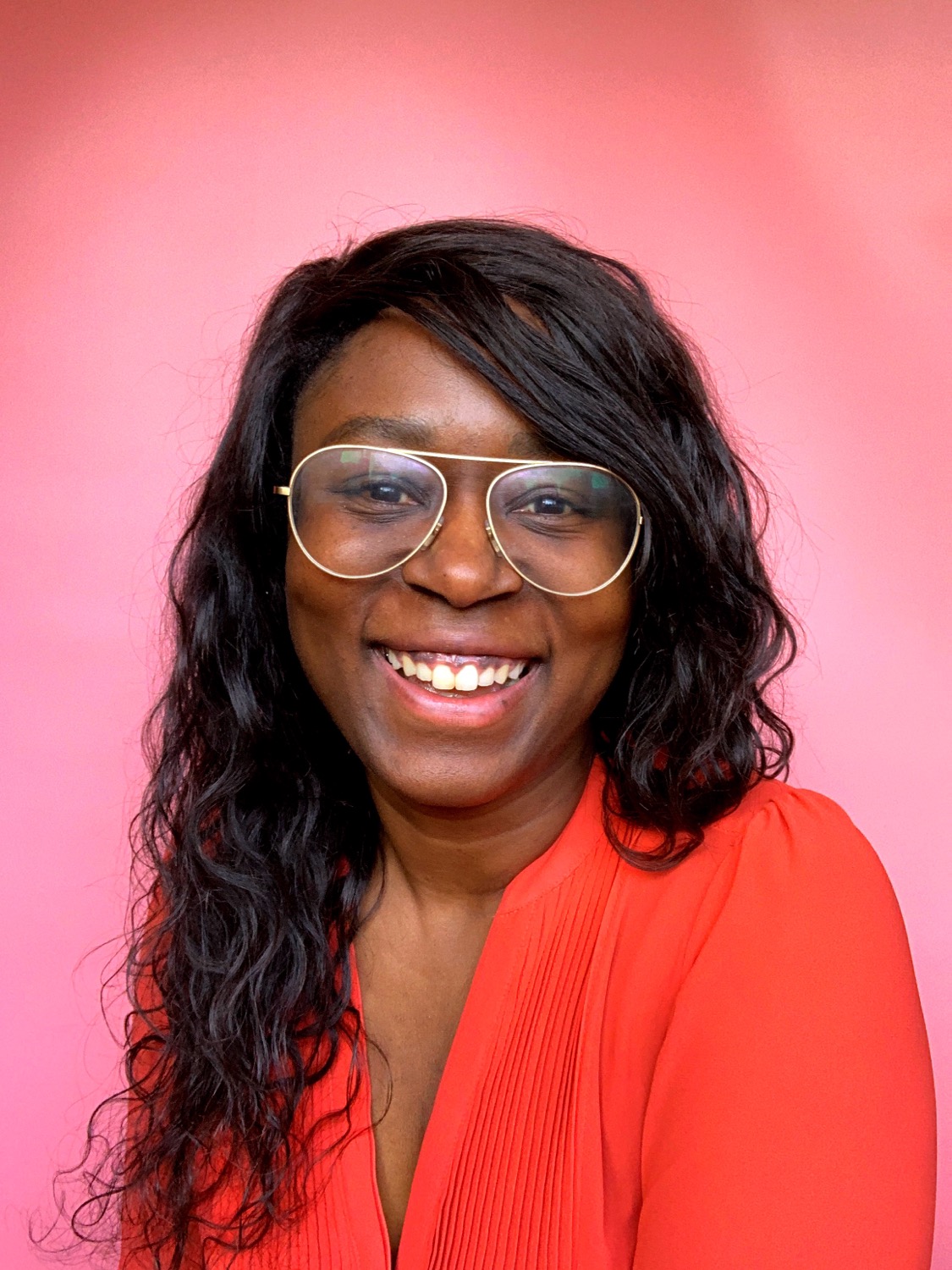
For Brussels-based bridal designer Valentine Avoh, the journey began with a simple request from a friend. What followed was the discovery of a craft that blends artistry, emotion and storytelling in the most personal way imaginable. Since then, Valentine has built a bridal brand defined by meticulous craftsmanship, vintage-inspired elegance and a deep understanding of the women who wear her gowns.
Having honed her skills at iconic fashion houses including Alexander McQueen and Alexis Mabille, she now creates handcrafted couture gowns in her Brussels atelier for brides around the world. In this conversation, Valentine reflects on creativity, representation, sustainability and what it truly takes to build a brand in the ever-evolving bridal industry.

Your journey into bridal design is an interesting one. What first drew you to this world, and how did your early experiences in fashion shape the path you’ve taken?
I’ve always loved fashion, for as long as I can remember. When I was younger, I used to watch Jean-Paul Gaultier and Christian Lacroix’s fashion shows on the news, completely mesmerised by their universe. Later on, I knew I wanted to become a fashion designer. But bridal design came to me by coincidence.
While I was living in Paris and working for Alexis Mabille, a friend of mine asked me to create her wedding dress. I had never done a wedding dress before, but I thought it would be fun to try, so I said yes. I ended up loving the entire process. But what truly stayed with me was being at the wedding, seeing the bride move and shine in something I had crafted with my own hands. Knowing that I had contributed to such a meaningful moment in her life made the experience even more special and that’s what really drew me into bridal design.
You’ve worked with some iconic fashion houses, including Alexander McQueen and Alexis Mabille. What lessons did you carry from those environments into building your own brand?
Working with iconic fashion houses really taught me both creativity and the pursuit of perfection.
I learned the importance of perfecting every gesture, of taking the time to refine a creation or design through research, through sourcing the right fabric for each piece. Every step, every hand stitch is a reminder that time is your ally, and that true craftsmanship requires effort and intention.
I also discovered that creativity has no limits. At Alexander McQueen, I learned that you could reinvent everything, you can recreate your own fabrics, invent new textures, shapes, and colours. You don’t have to follow what has already been done; you can build your own codes and visual language.
Another key lesson was the importance of storytelling. It’s not just about the clothes; it’s about the story behind and around them. The narrative needs to be reflected not only in the garments, but also in the show, the photoshoot, the communication, the muses. Every element needs to be cohesive if you want to create something meaningful and memorable.
Your designs are often described as light, refined, and playful, with a nod to vintage glamour. How do you balance timeless elegance with modern sensibilities in your creations?
I think my designs truly reflect who I am and what I love. I’ve always been drawn to vintage movies and that old-school glamour, it’s something that’s inspired me since the beginning. Even when I was in fashion school, my references and inspirations were already rooted in that timeless elegance. But I also pay close attention to what’s happening now and what’s coming next. I believe the vintage influence remains at the core of my work, but I always adapt it to modern times, to real women’s bodies and silhouettes.
I love simplicity, refined details, and playing with textures. And because I’ve always stayed true to my own taste, I think it allows me to find a natural balance between classic inspiration and contemporary relevance.

Inspiration seems to play a significant role in your work. Can you share how old Hollywood films and jazz icons influence your design process?
I try to watch a few old movies whenever I’m in the early stages of designing a new collection, as a way to spark inspiration. For my previous collection, for example, I was really drawn to the world of Jean Harlow. I watched several of her films, observing how she dressed, how she moved, and her overall attitude and that guided some of the designs I ended up creating.
At the same time, I draw inspiration from my fittings with my brides including those who didn’t end up ordering from me. I reflect on what they might have been looking for, what they felt was missing perhaps a certain silhouette I didn’t offer yet. I also revisit past custom creations and think about how I could rework or evolve them in a new way.
Jazz music also plays a big role in my creative process; it’s more about the mood. When I listen to it, it puts me in a different mindset. It inspires movement, it makes me imagine how a dress would flow, how it could embody softness or sensuality.
Of course, I also love modern films, hip-hop, R&B, all kinds of music, but when I’m creating bridalwear, vintage cinema and jazz are the elements that fuel my imagination the most.
Each of your gowns is handcrafted in your Brussels atelier. What does the process of creating a bespoke wedding dress look like from start to finish?
When I create a bespoke wedding dress, the process always begins with the first appointment, where I meet the future bride. We talk about her wishes, what she envisions, and she tries on different styles to help define what she’s drawn to. Depending on what she chooses whether it’s a customized existing piece or a completely bespoke creation, the process will follow a similar path.
Once we’ve defined the silhouette, I take her full set of measurements and create a paper pattern tailored specifically for her. From there, I craft a first toile, a prototype in cotton muslin to check fit and proportions. During that fitting, I can also draw directly on the toile to define key elements of the design, like the neckline, the skirt shape, or the hem length.
After making adjustments, a second toile is created using the updated pattern. At this point, the dress starts to take real shape. It’s usually only at the third or fourth fitting that I begin working with the actual fabric. Since many of the fabrics I use are very precious, it’s important to get everything right before cutting into them.
Once the bride tries on her dress in the final fabric, we can still make small refinements if needed and then the gown is completed. Every piece is made by hand in my atelier in Brussels.
I make it a point to source all my fabrics within Europe, mainly from Italy and France, while my hand embroidery is crafted in India by an atelier that collaborates with haute couture houses.
You’ve mentioned that working with brides is a deeply personal experience. How do you ensure that each gown reflects the individuality of the bride wearing it?
For each gown to truly reflect the individuality of the bride, my approach is first and foremost to really listen. I listen to her wishes, observe her body shape, understand her silhouette, and combine all that with my own expertise and aesthetic. It’s this blend; her personality, her figure, her ceremony, and my creative vision that makes each dress unique.
Even if three brides were to choose the same base design, no two dresses would be the same. One might opt for different sleeves, another for a different neckline or belt. It’s not just about creating a gown to her measurements, it’s about tailoring the entire design to who she is.
The type of ceremony also plays a role: civil, religious, outdoor, winter… these elements influence the fabric, length, and detailing. In the end, I work closely with each bride to create something that’s not only made for her but truly feels like her.
Representation in the bridal industry is evolving. As a Black woman designer, how do you see your role in shaping a more inclusive and diverse bridal fashion landscape?
I think it’s important for young girls and women in general, to see themselves represented.
That’s why, for me, it’s both meaningful and rewarding to show that no matter your background, skin colour, or origin, it’s possible to build your dream and work in any field you choose.
I happen to work in high-end fashion and bridal design, and in Belgium, there are very few, if any, Black designers in the wedding industry. At least, I don’t personally know of others. So, I feel proud to simply be visible and do what I love authentically. But also that my work is valued not only in Belgium but internationally.
My clients come from all walks of life and many different backgrounds. I never wanted to be confined to one type of bride, and I’m grateful to be able to connect with women from so many cultures while staying true to who I am.
If that visibility can open doors or inspire other Black women or men who dream of joining this industry in Belgium or anywhere in Europe, then that’s a huge plus.

Sustainability and ethical practices are increasingly important in fashion. How do these values manifest in your work and business model?
Regarding sustainability and ethical practices, these are values that matter deeply to me.
Working in the bridal industry, especially through a made-to-order, bespoke approach, naturally places me on the more ethical end of the spectrum. All my dresses are made one by one, only after a bride has confirmed her order. I never produce more than what is needed, so there’s no overproduction or dead stock.
Now, some might argue that spending thousands of euros on a dress worn only for one day isn’t exactly sustainable. But the dresses I create are rarely discarded. Brides often keep them for years, pass them on, sell them, or even repurpose them. Some dye them, shorten them, or find a new way to wear them again. In that sense, they’re not disposable garments, they’re meaningful, lasting pieces.
I also make it a priority to source fabrics locally within Europe, mostly from Italy and France. I choose my suppliers carefully and make sure they share values around quality and responsible production. For example, my hand-beading partner in India adheres to ethical labour standards, I’ve ensured they do not employ children and provide decent working conditions.
In my own atelier, we also aim to minimise waste: cotton prototypes are reused when possible, for future samples, and fabric offcuts are repurposed into small details for other gowns or samples.
I try to make thoughtful decisions every day to do better, both ethically and environmentally.
Your designs have been featured in films and worn by notable figures. Are there any particular moments or collaborations that stand out as milestones in your career?
Being featured in the movie I Want You Back was an important milestone for me. Even now, when I think about it, I’m still amazed that one of my dresses made it into a U.S. movie, it was such an incredible opportunity, and something I never imagined when I started my brand.
As for the people who have worn my dresses, I always say that every bride is like a celebrity to me. I genuinely celebrate each woman who chooses to become a client. But of course, when I design for someone well-known, like a famous Belgian singer or, a former Miss France, it’s exciting in a different way. Knowing that people who have access to top fashion houses still choose my creations is a real honour, and it reinforces my belief in staying true to my vision.
Building a brand comes with its challenges. What obstacles have you faced, and how have you navigated them to establish your presence in the industry?
There are many obstacles and challenges when you run a brand, especially a bridal one, because your clients never come back. The biggest challenge, I think, is that every year feels like a fresh start. You constantly need to find new brides, invest time in communication, visibility, and booking new appointments. That part can be exciting, but also quite exhausting, because there’s little continuity in the clientele.
Another challenge is the unpredictability of each season. One year can be brilliant, and the next, unexpectedly quiet. That’s exactly what happened in 2025. The general climate, rising inflation, wars, uncertainty, really impacted many businesses, not just in the wedding industry.
I’ve learned that the key is to be resourceful and adaptable. You must react quickly, come up with new ideas, and not get stuck in one direction. Flexibility is essential if you want your business to survive and grow through the ups and downs.
For aspiring designers, especially women of colour, what advice would you offer about entering and thriving in the bridal fashion world?
I would suggest having one or two friends who are also entrepreneurs or building their own businesses. It’s important, both when you’re just starting out and once, you’re already running your business, to have people who can relate to your challenges and with whom you can talk honestly.
I would also say: don’t be afraid to push doors open. Sometimes you might be the only one in the room, but what matters is that you show up with confidence, bring your value, and simply excel at what you do. There will be moments when you’ll need to be even more brilliant than others to feel legitimate, but don’t let that discourage you.
Ignore the noise and do your own thing. Embrace your difference, it can often become your strength. Don’t see your background or your skin colour as something that will hold you back. Instead, let it be part of what makes your story unique.
For those who want to enter the bridal fashion world, I would suggest finding what sets you apart, whether that’s in your designs, your visuals, or your storytelling. If you want to work in the higher-end bridal market and sell dresses at a certain price point, you need to create a strong, luxurious brand image and ensure everything is cohesive.
And finally, I would really recommend working for a fashion house, a bridal designer, or any established brand before launching your own. Learning from someone else’s experience, their process, their mistakes, is truly the best school. There’s so much to gain from seeing the behind-the-scenes of a real business.
Looking ahead, what are your aspirations for the Valentine Avoh brand, and what can we expect to see in the future?
I hope that the Valentine Avoh brand can continue to thrive and be recognised both in Belgium and internationally. It always makes me so happy when a bride from abroad chooses to order online, it’s such a beautiful sign of trust.
I’d love to keep creating new collections, to grow, and simply to keep going, especially after the difficult years we’ve all experienced, and the ongoing uncertainty in the world. Honestly, in times like these, just having a brand that can stay strong and keep moving forward is already a big achievement.
A massive thank you to Valentine Avoh, for agreeing to be interviewed and becoming a part of the STYLISA FoundHers community. If you’re interested in finding out more about her work:
Visit Valentine's website: https://www.valentineavoh.com/en/


Comments