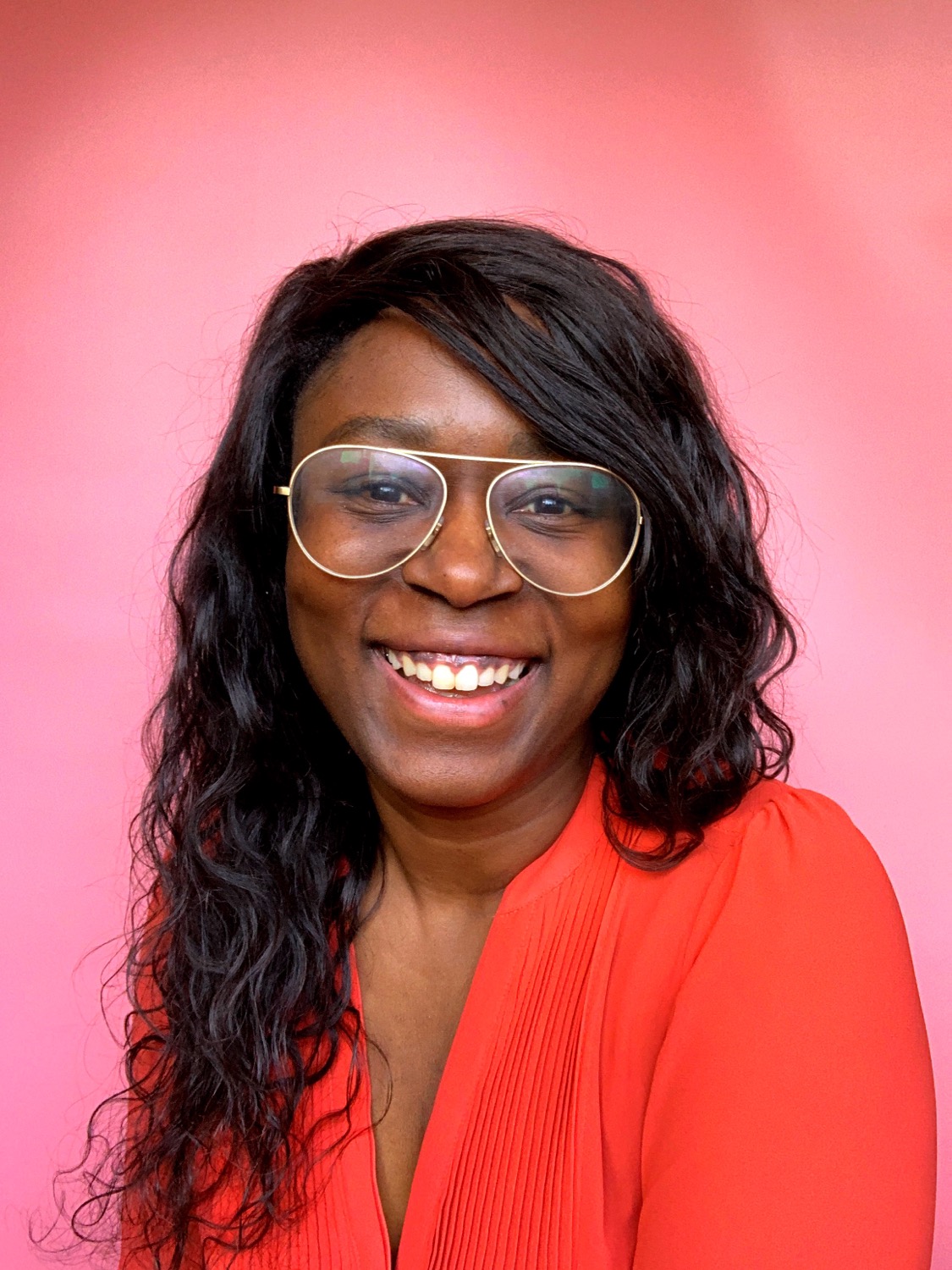
STYLISA FoundHers August: Why Elizabeth Joseph Believes Everyone Has a Story Worth Telling
Updated: Aug 5
Every business begins with an idea, but the strongest ones are often rooted in something much deeper.
For Elizabeth Joseph, founder of Tiny Talks, that idea came from a simple conversation with a stranger. It became a reminder that extraordinary stories aren’t reserved for celebrities or public figures. They exist all around us, if we’re willing to stop and listen.
It’s a belief that resonates deeply with the ethos of STYLISA FoundHers. From the very beginning, the platform has been dedicated to amplifying the voices of women whose stories, insights and experiences deserve to be heard, not because they’re famous, but because they have something meaningful to say.
In the latest STYLISA FoundHers interview, Elizabeth shares how that belief evolved into Tiny Talks, a platform built around authentic conversation, community and human connection. She reflects on the realities of building a passion project alongside a full-time job, creating spaces where people feel safe to share their experiences, and why success is measured not by follower counts, but by impact.
Why This Conversation Matters
One of the reasons I created STYLISA FoundHers was because I believe some of the most powerful ideas don’t always come from the people with the biggest platforms. They often come from people quietly building communities, solving problems and creating opportunities for others.
Elizabeth Joseph’s story is a reminder of exactly that.
Tiny Talks began with a simple observation: everyone has a story worth telling. What started as a podcast has since evolved into something much bigger, creating spaces where people feel seen, heard and connected through honest conversation.
At a time when so much attention is focused on algorithms, follower counts and going viral, Elizabeth offers a different perspective. She reminds us that meaningful impact isn’t always measured by scale. Sometimes it’s measured by helping one person feel less alone, more understood or inspired to take the next step.
For founders, that’s an important lesson. Building something with purpose doesn’t always begin with having the perfect plan. Sometimes it begins with curiosity, consistency and a genuine desire to make a difference.

Can you take us back to the beginning of Tiny Talks? What was happening in your life, or in the world around you, that made you want to create a platform built around conversation and real stories?
I was working in a medical clinic and a older gentleman came in and we got chatting and he started telling me about how he rode on a push bike all across America. He was facing some health issues at the time and it just really got me thinking that everyone has a story to tell but you don’t necessarily always get to hear these stories. We usually hear stories from celebrities and influencers, but what about the ordinary people with extraordinary stories?
My friend and I hosted a podcast back in 2020 on Clubhouse (if people remember that) and we absolutely loved doing it. She was based in New York and I was in London at the time. The premise was a transatlantic commentary on various topics, we covered Britney Spears’s conservatorship, the January 6th insurrection in 2021, we interviewed a domanatrix. The list really goes on. From hosting this podcast, my favourite episodes were the ones where we had a guest.
5 years post COVID, and the world had changed for a lot of people. People like me had moved away from places they called home, we had less time in the office and for some people the world had become a lonelier place and people were craving community. These ideas and experiences merged and Tiny Talks was born.
Tiny Talks is rooted in the idea that ordinary people can carry extraordinary stories. What made you trust that everyday lives would be powerful enough to build a platform around?
In the book Sapiens the author speaks about how powerful storytelling is and how it changed the trajectory of the human race. He talks about how storytelling allowed us to create shared myths, trust strangers and organise into large societies. For example people believe in a country so they cooperate with millions of strangers - humans cooperate through belief systems. This book changed my life, it made me realise the magic of everyday things like story-telling that we take for granted. It changed my mindset so much that I didn’t eat meat for 8 years after reading it.
We live in a world of billions of people all experiencing the human condition at the same time. I promise you if you’re going through something right now and you’re not sure how to deal with it, someone else will have been through the exact same thing and I believe the most important way we can help each other is to share the load and speak on experiences, because you never know what perspective that might open up for someone.
In a digital world that often rewards noise, speed and performance, what made you choose depth, honesty and human conversation as your lane?
I think naturally I’ve always gravitated to deep conversations, I’m quite a curious person so I love to know what people have been through and how this has shaped them. I knew if this was interesting to me, there would be other people out there who find it interesting too.

How would you describe the mission of Tiny Talks in your own words, and has that mission changed at all since you first launched?
My mission to to showcase real stories from real people, and its the same mission I had when I started the podcast over a year ago. Tiny Talks is rooted in community and authenticity.
Your content feels like it sits somewhere between podcasting, storytelling and community-building. Did you always see Tiny Talks as more than just a podcast, or has it evolved into something bigger over time?
It’s definitely is so much more than what I first imagined it to be. It initially started as a podcast, but then I started to share more personal stories and my takes on topics. I felt like my guests were so honest and raw - you could see what they had been through as well as seeing their amazing personalties shining through. It felt one-sided that I was asking this of my guests but not showing up the way that they were. So now my content is more of a mix of podcast clips and basically anything and everything else and it seems like that’s what the community likes to see.
6 months into launching Tiny Talks I also started hosting an Open Mic night, you don’t need a talent, you just need a story to share. I love these nights so much, anyone can get up and speak and we’ve had stories about grief, bad dates, heart warming immigration stories and so much more. If you’re feeling shy you also don’t have to get up and speak - but I promise it’s the most supportive crowd and you might just pluck up the courage!
I remember the first time I hosted an Open Mic, I could barely sleep that night because that feeling of having so many amazing people all in one room, showing up for themselves and each other and realising I had created a small but wonderful community. The feeling was ELECTRIC!
What have you learnt about people from sitting across from them and hearing the parts of their story that might not normally make it online?
Everyone has a depth and complexity you don’t see on social media. Most of these topics they might have not even discussed in detail from start to finish with their friends. I feel really honoured that they would share their story with me.
We hear it all the time but everyone has been through or is going through an invisible battle that most people don’t see. It’s important to show each other grace and know that everything isn’t always as it seems.
Tiny Talks covers subjects that can be deeply personal, from grief and recovery to identity, work and reinvention. How do you approach those conversations in a way that feels respectful, safe and real?
This is something I’ve thought about a lot, I always want to be respectful to my guests and ensure I’m not bringing up trauma for them in a way they’re not ready to speak on. I take my time to understand my guests stories, usually I might have been following them for a while and have an idea about topics that matter to them. I always send them my intro and a list of 6 questions that we’re going to cover - of course the topic can veer away from these questions, especially if I feel a particular question holds a lot of pertinence. I always check in with my guests if it’s a sensitive topic, what they do/ don’t feel comfortable sharing.

What do you think makes someone open up properly in conversation, rather than just giving polished answers?
I’ve had guests feel nervous before when we start the conversation, so I can tell they have structured answers, my best advice is to relax and forget about the cameras. I hope I create a comfortable environment for them where they feel like they’re speaking to a friend.
The questions I send across beforehand is just a structure but not an exhaustive list on what I’ll ask if there is a particular question where I feel like there’s more the guest wants to say but is just unsure on how to work that in, I’ll ask more questions to dig deeper.
As a host, how do you balance curiosity with care, especially when someone is sharing something vulnerable or emotionally charged?
Always over communicate, check in with the guest how they’re doing, if they feel comfortable discussing this topic, if they need to take a break. My priority is that the guest feels safe and secure especially when talking about challenging topics.
What have you learnt about your own voice through building Tiny Talks? Not just as a host, but as a woman creating space, leading conversations and shaping a platform.
It’s so easy not to trust in yourself and to think that people won’t want to listen to what you have to say - I used to think this a lot. But building Tiny Talks there are little moments that make me realise that I am having an impact, and I could not be more grateful that I’m able to. I’ve learned to trust my own voice more.
Building something publicly often looks fun from the outside, but there is usually a quieter reality underneath it. What has the less visible side of building Tiny Talks actually looked like?
It looks like long days of finishing work and going straight into editing, working evenings and weekends. I have a 9-5 so any work I do for Tiny Talks comes out of my downtime and when you combine that with trying to stay healthy by moving my body, and regular adult chores like home/ life admin it can at times feel overwhelming. However Tiny Talks is my passion project, I’m able to finish 8 hours of work and go straight into editing or posting on socials because I love Tiny Talks and the space it creates for people. Would I love a editor in the future, yes haha but for now it’s just me and that’s great.
Tiny Talks has now been going for over a year. What has consistency taught you, both creatively and personally?
There was a period of 5 months where I just wasn’t regular with Tiny Talks in the way that I wanted to be, I had started a job that just wasn’t right for me. I was in the office pretty much 5 days a week which meant 12 hours of my day was dedicated to work - it just left little to no time for Tiny Talks. I’m in a different position now and I’m loving getting back into it.
Some days it can be hard to show up and stay consistent especially when you’ve poured over a video for hours and it just flops! It sounds cliche but I have to remember if my video has impacted just one person, maybe they’ve taken something from it or it’s made them smile - then why wouldn’t I take that time to have that impact.
Social media plays a big role in how Tiny Talks reaches people, particularly through short clips and bite-sized storytelling. How have you thought about the relationship between long-form conversation and short-form content as the platform has grown?
It’s something I thought about from the outset actually and why Tiny Talks was given the name it was. I wanted Tiny Talks to be a space where the whole interview could be shown in bitesized clips, so each clip was 1 question. This has evolved over time and now I actually post the whole interview on YouTube and have Instagram, TikTok and YT shorts for snippets from the interview. Having come up with the concept but having never done it before - it just didn’t work. It felt too rigid and like the interview couldn’t flow. The new set up feels a lot more authentic and Tiny Talks aligned.
Have there been any conversations or guests that shifted something in you personally, or changed the way you think about people, resilience or what matters?
Every single guest I’ve had on has taught me something, they’ve all done something brilliant from overcoming addiction to quitting toxic jobs and starting a business they’re super passionate about. Every conversation I have with my guests shapes my view on resilience and how strong our resolve can be when it’s something we care about.
What have you learnt about audience connection from Tiny Talks? In other words, what do you think people are really coming to the platform for?
For this one I had to ask a member of my community and she said ‘I think that it’s shown how much people do want and need connection from real life, we can get swept up in following influencers who live in ways we will never so it’s really refreshing to not only hear stories from real people but to see how much people do connect to that. The Tiny Talks events always really highlight this that so many people come to listen and share their own stories and everyone gains so much more from that because you can relate to others and also enjoy what they have to share so much more.’
You appear to speak with a mix of creatives, founders and everyday people navigating real life. What draws you to a guest or a story now?
Growth always draws me to a guest whether they’ve been on a helping journey and come out the other side, faced a challenge, started something new. It’s really powerful to hear stories about how other people have grown and what they’ve learned from it.
Has building Tiny Talks changed the way you think about success? What does success look like for you now, compared with when you first started?
When I first started success looked like something stupid such as having 100K TikTok followers. Now success looks like impact to me, I feel most successful when I have a message about a interview I’ve done or someone coming up to me at the end of an open mic night to let me know how much one of the stories touched them. If one of my videos made an impact on one stranger every day - I’d be doing my job well.
What does it mean to you to build something small but meaningful in a culture that constantly tells people to scale, monetise and go bigger?
To be really candid, it is hard not to look at similar people in the space who have blown up overnight and think - why can’t that be me. My community is what makes me remember that I’ve actually created a small corner of the internet made up of amazing people who genuinely care and are curious about real stories from ordinary people. And when I think about it like that suddenly it doesn’t matter that I’m not a huge creator.
Looking ahead, what kind of impact do you hope Tiny Talks will have, not just as content, but as a body of work and a space people remember?
I hope it makes people speak to strangers, because you just never know what story they might have to tell.
Based on your own journey so far, what would you say to women who are sitting on an idea, a platform or a story-led business, but are still waiting for the “right” time to begin?
Believe in yourself, you’ve got this! I remember thinking no one would want to come on a podcast with 0 followers, but you’d be surprised at the kindness of strangers and how much help you’ll get from people who have never met you before.
STYLISA FoundHers Takeaways
Every story has value
Extraordinary stories aren’t limited to public figures or household names. Some of the most powerful lessons come from listening to the experiences of ordinary people.
Community is built through conversation
Tiny Talks has grown beyond a podcast because it creates opportunities for people to connect, both online and in person. Genuine communities are built through shared experiences, not just shared interests.
Authenticity creates trust
Elizabeth’s willingness to share her own experiences alongside those of her guests has helped shape a platform that feels open, honest and relatable.
Success isn’t always measured in numbers
Follower counts have their place, but Elizabeth’s definition of success has shifted towards impact. Making a meaningful difference to even one person can be just as valuable as reaching thousands.
Start before you feel ready
Like many founders, Elizabeth questioned whether anyone would listen. Her journey is a reminder that belief often grows through action, and that the first step is simply having the courage to begin.
A massive thank you to Elizabeth Joseph, for agreeing to be interviewed and becoming a part of the STYLISA FoundHers community. If you’re interested in finding out more about her work:
Discover Tiny Talks
Connect with Elizabeth on LinkedIn
Watch my Tiny Talks interview


Comments