FoundHer FundHers January: Funmi Olufunwa on Financial Confidence, Visibility Without Shame, and Building a Mission-Driven Business From Scratch
Updated: Jul 24
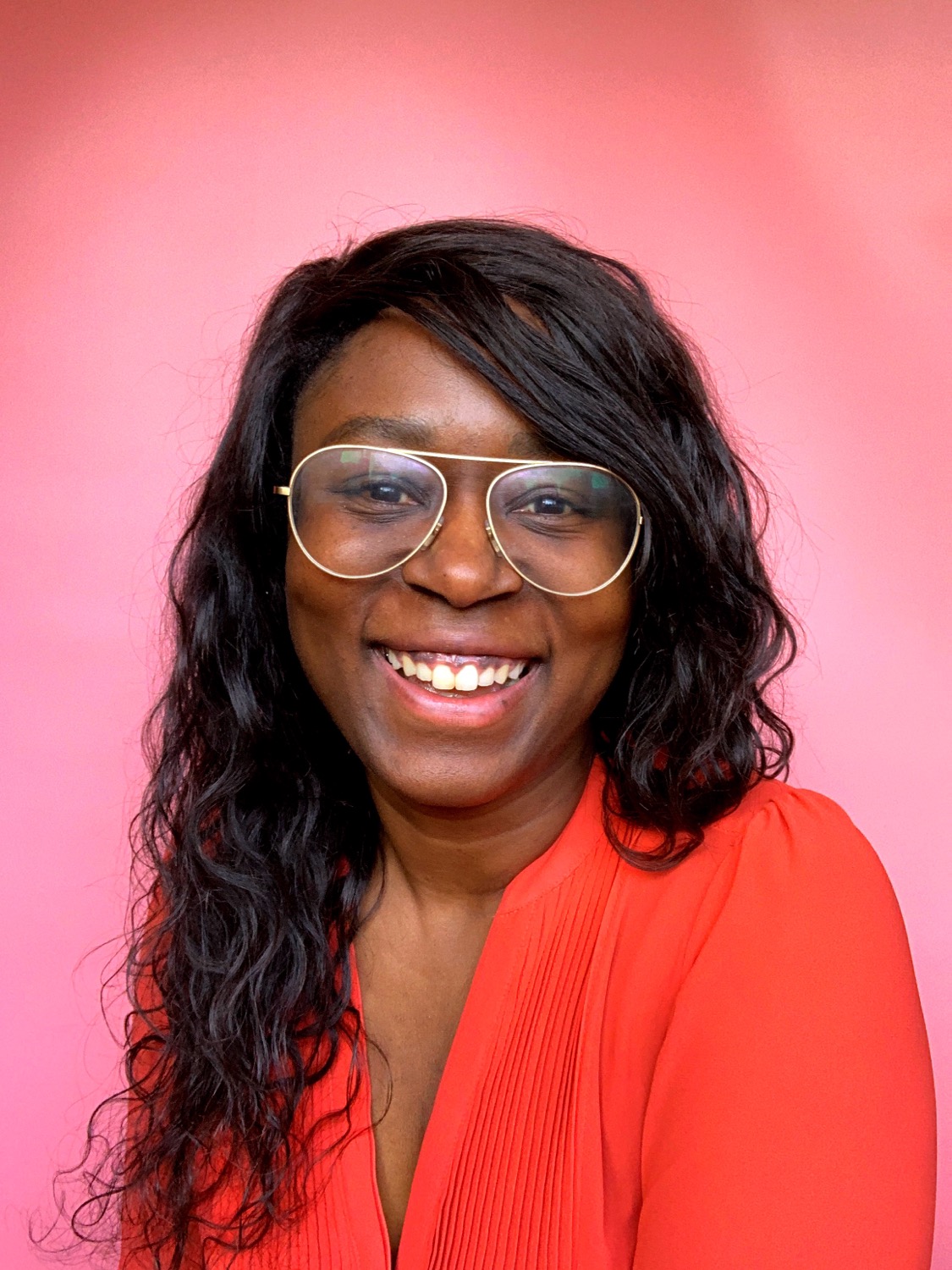
For the first FoundHer FundHers interview of 2026, I’m speaking with someone who’s rewriting what financial education can look and feel like. Funmi Olufunwa is the founder of Hoops Finance, a self-funded platform that demystifies money and helps people make confident financial decisions, in everyday language. In this interview, Funmi shares the unfiltered truth about building from scratch, becoming visible without losing yourself, and why she believes purpose should always outlast short-term wins. If you’ve ever felt overwhelmed by business finances, this one will ground you.

You launched Hoops Finance without external investment, an entirely self-funded business. What gave you the confidence to go all in, and what did those early days look like?
I’d say that having a savings safety net meant that I could go all in so having that financial security gave me the confidence. Plus I knew from the career I’d had up to that point and the jobs I’d done that it was so needed. The early days looked scrappy and by that I mean that I didn’t have a formal business plan or any sort of strategy – I just went on gut feel. I wouldn’t necessarily recommend this as a strategy as I spent time and money on things I didn’t need to at that point e.g. a website and mentoring. I was too early for all of that.. but it was all a learning curve.
What inspired you to build a platform that focuses on financial literacy and confidence, especially when so many finance brands still rely on jargon and gatekeeping?
That was one of the reasons. I know that there’s too much jargon when it comes to finance and also an overwhelm amount of information that many can’t relate to. I wanted to try and do something different, something that might encourage people to look at their money and engage with it more. I wanted to provide a space for people to talk about money, ask questions and learn without the fear that there would be loads of jargon or judgement. Also, I’m very conscious of the privilege I’ve had from having several careers in financial services and learning so much. I wanted people to have access to that information too.
You’ve built a trusted brand that simplifies personal finance without talking down to people. How important is language when it comes to breaking financial barriers, especially for women?
Language is so important in any area of life but especially where people may already be coming to it with emotions such as fear or overwhelm. Is it especially important for women? I’m not sure it’s more important for men or women, it's more about it being relevant so knowing your audience and what they want to get out of the session is key.
Many women delay financial decisions out of fear of ‘getting it wrong.’ How can founders begin to shift from fear to confidence when it comes to managing money, both personally and in business?
Ask questions and know that you don’t need to know it all and you’re not expected to. You founded a business to do “the thing” not necessarily all the finance bits that come with it. You’re good at your craft so focus on that and use experts for the rest including your business finances. When it comes to your personal finances, use the resources available to you to learn. The government website is good and user friendly and there are organisations like MoneyHelper with lots of easy to understand resources.
What advice would you give to self-funded founders who are trying to juggle business finances and personal finances, often on a tight budget?
There’s no denying that it’s hard but being organised and having some sort of plan will help. Be really clear on what you need to fund the business and your personal life and strip out all unnecessary expenses. I guarantee that if you go through your last months’ statement, you’ll find a sneaky subscription that you’re not using anymore and forgot you had. This lean phase isn’t for forever, its just until your business is bringing in more money which should mean you can pay yourself more. Also, you may be tempted to join all of the clubs, communities and memberships. My advice – don’t. These fees add up and you’ll rarely make the most of all of them as yoou’ll have spread yourself too thinly. Instead pick one - recommendations are helpful – and really throw yourself into those limited few.
You’ve built something from scratch, and now Hoops is being featured in the national press and trusted by thousands. What have been the most powerful steps you’ve taken to build credibility without funding?
I know it might sound strange but by being myself, sharing my knowledge and showing that I know what I’m talking about.

What are some of the most common money myths you see women still holding onto, and how do you help them unlearn those beliefs?
I wouldn’t say that there are any common money myths that belong to one gender tha I’ve noticed in the work I do.
If a founder isn’t ready, or doesn’t want to raise capital, what can they do to still build a sustainable, impactful business?
Become visible so that potential customers know you exist and know how to work with you. You need to talk about what you do and why…a lot. It will feel a bit awkward (it still does for me sometimes) and you’ll wonder if people are sick of you saying the same or similar things. Most people aren’t and they probably pay less attention to you than you think. Those that are sick of you probably won’t say it to your face so you should never know.
What does financial independence mean to you?
For me, it means being able to fund my life myself and not having to rely on anyone else.
Visibility is often framed as “nice to have”, but it can be vital for growing a brand like Hoops. What role has visibility played in your journey, and what advice would you give to women who are afraid to be seen?
See my answer to question 8 (If a founder isn’t ready, or doesn’t want to raise capital, what can they do to still build a sustainable, impactful business?). If you’re afraid to be seen, start small. Think about the ways you can market yourself and your business that you’re comfortable with. For example, it doesn’t have to be social media, it could be in person events if they’re more your thing. But visibility definitely isn’t a nice to have, it’s essential. The how is what you get to decide.
You’ve created a business that’s also a mission. How do you protect your purpose as you grow, especially as you gain more media attention and traction?
I try and only do things that align with my mission so if something doesn’t fit, I won’t do it. You have to be quite strict as it’s easy to be swayed, especially if a lucrative opportunity arises. You need to think in terms of the long game not necessarily the short term win.
Final question we ask all FundHers: If you could share three things you’d want every female founder to remember, whether they’re just starting out or scaling for investment, what would they be?
Try and have that financial buffer whether that’s in the form of actual money or a job on the side that gives you that financial security.
Running your own business can be hard but it doesn’t mean you’re doing it wrong. Everyone has their hard times, they just might not share them publicly and you don’t have to either.
Have at least one or two business friends that you can talk to and who can keep you accountable. Working for yourself and by yourself can be lonely so having a support network is so helpful.
A massive thank you to Funmi Olufunwa, for being the first FoundHer FundHers interviewee of 2026, and becoming a part of the STYLISA FoundHers community. If you’re interested in finding out more about her work:
Connect with Funmi on LinkedIn
Discover Funmi on Instagram
Discover Hoops Finance


Comments