FoundHer FundHers February: Michelle Grant on Protecting Your Most Valuable Asset
Updated: Jul 24
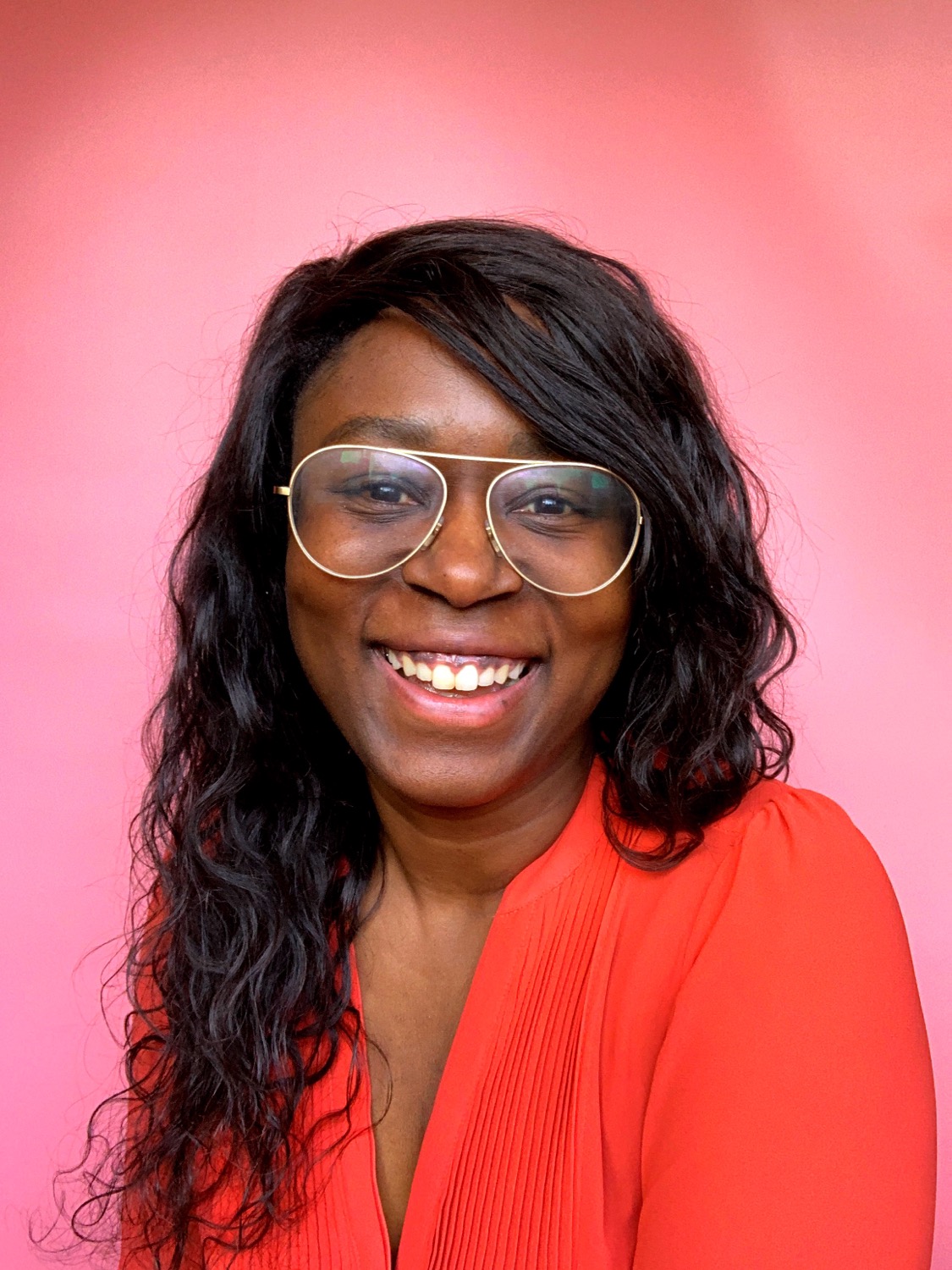
In this FoundHer FundHers conversation, Michelle Grant brings clarity to one of the most overlooked areas of women’s financial wellbeing: protection. With over 25 years’ experience across financial services, Michelle speaks candidly about income protection, illness, uncertainty and the quiet risks many women carry alone. Rather than positioning protection as a worst-case scenario, she reframes it as a form of self-advocacy, especially for self-employed women, carers and those building long-term security without safety nets. This is a grounded, practical conversation about safeguarding your income, your choices and your future.

Your motto is “hope for the best, plan, and prepare for the worst.” What led you to specialise in income protection, and why do you believe it’s so fundamental to financial wellbeing, especially for women?
I specialise in income protection because I honestly believe as a woman you are your best asset!
If you take a moment to think about how much income you’re likely to generate over your working life — the money that pays the bills, supports your family, builds savings and contributes to your future pension pot — it adds up quickly. For most people over the next 25 years, that figure is well over £500,000. If you’re early in your career, it can easily be £2 million or more.
Now compare that to the cost of protecting it. For around 2–3% of your gross annual income, income protection means that if your GP says you’re not fit to work, your insurer steps in and keeps the money coming in, potentially right up until your retirement.
What I really like about income protection is that it’s not just about paying you each month. Insurers also focus on getting you back on your feet. Things like 24/7 GP, physio, counselling, rehabilitation, and in some cases even help with the cost of courses and retraining, including income top ups if you need to move into a different role.
And here’s the part most people don’t realise, even if you’ve only been paying into a policy for a few months, a valid claim can continue for years, even decades. You can also claim as many times as you need it, which is why, over the long term, income protection offers brilliant value for money.
Income protection often feels like something we can deal with later. What’s the biggest misconception you see when it comes to women preparing for illness, job loss, or unexpected change?
The biggest misconception I see is what’s called optimism bias, the belief that it won’t happen to me. People often say they’ve never had time off sick, so they assume they’ll always be able to keep working. But past health doesn’t guarantee future health. The reality, when you look at claim’s statistics, is that most people are off work due to everyday illnesses, things that are genuinely debilitating and can take months, not weeks, to recover from.
And while it’s true that the likelihood of illness increases as we get older, income protection claims don’t just happen to older people. Life, stress, and health issues don’t wait for a certain age.
The other thing many people don’t realise is that the younger and healthier you are when you take out the policy, the cheaper it is. Once it’s in place, that price is locked in. Your insurer can’t turn around later and say, “You’ve been ill too many times, so we’re putting your premium up.”
That’s why it’s about planning ahead, protecting your income before you need to rely on it.
Many women prioritise saving or investing but overlook protection policies. Can you explain where income protection fits into a holistic financial plan, and why it shouldn’t’t be treated as optional?
I genuinely believe that without your income, everything else stops. If the money coming in isn’t there, it becomes really hard to plan ahead or keep paying into your investments and long-term goals.
If you’re off work sick, savings can disappear much faster than people expect. It’s not just day-to-day bills, there are often extra, unexpected costs that come with being ill. Things like private consultations, treatment or surgery, travel to and from hospital, and even parking fees all add up.
Another really important point is that income protection can be index linked. This means your policy keeps pace with the cost of living. Each year, your insurer will write to you and, for a small increase in premium, your benefit rises so it maintains its buying power.
After all, what £1,000 buys you today won’t be the same in 10 or 20 years’ time. Index linking ensures that if you ever need to claim, you’re paid an amount that reflects today’s cost of living, not yesterday’s, and that makes a huge difference when you need it most.
You’ve worked with women, families and business owners across different life stages. What should women be thinking about in terms of financial protection at key turning points, such as having children, going self-employed, or caring for others?
I think it’s often key life events that make people stop and think. Moments where you realise that if you were suddenly unable to earn an income, the people who rely on you could suffer, and that’s not something anyone wants.
Policies like Family Income Benefit and Income Protection are about giving extra financial certainty. They help ensure that a regular income, whether that’s £1,000 or £2,000 a month, is still paid either to you if you’re unable to work, or to the people you’ve chosen as beneficiaries if you pass away. That stability can make a huge difference at an already difficult time.
For those who are self-employed, this is even more important. There’s no employer sick pay to fall back on, so income protection effectively becomes your own private sick pay. It guarantees an income if you’re unwell and can’t work.
A good way to think about it is like the furlough scheme during Covid, that was essentially government-backed income protection. Income protection does the same thing, but on your own terms, and when you need it most.
As a self-employed woman myself, I know how easy it is to put insurance to the bottom of the list, especially income protection. Why is this type of cover particularly important for women who work for themselves, and what would you say to those who haven’t yet prioritised it?
As Toni Morrison reminds us, “You are your best thing.”
As a self-employed woman, putting yourself first, your health, wellbeing, and finances, isn’t a luxury, it’s essential. These areas are deeply interconnected, and it’s something the affluent understand all too well.
Income protection policies are growing in demand, and for good reason. Yet, alongside the pay gap and the pension gap, there’s also a protection gap, with women still behind the curve. Closing that gap is about getting one step ahead, about putting yourself first for a change.
You’re a strong advocate for inclusion in financial services. Where do you see the gaps when it comes to access, trust, and representation, particularly for Black women and women of colour?
I’ve seen first-hand the gaps that exist when it comes to career progression, succession planning, and sponsorship, particularly for Black women.
That’s why I’m a strong supporter of the work being done by Yetunde Hofmann, who designed Solaris — an executive leadership programme created specifically to support and develop Black women particularly in financial services sector. I’m also a huge advocate for the Precious Awards, now in its 21st year, founded by Foluke Akinlose MBE, which celebrates and champions women across every area of industry and the corporate world.
I also deeply admire the work of Selina Flavius, founder of Black Girl Finance, who works tirelessly to promote learning opportunities, build financial community, and inspire others to enter and thrive in the profession.
Unfortunately, trust has been eroded in parts of the banking and insurance sector. Too often, Black women haven’t been recognised for the value they bring, and as a result are frequently overlooked for promotion, sponsorship, and leadership opportunities.
Supporting initiatives like these isn’t just about visibility. It’s about creating real pathways, rebuilding trust, and ensuring talented women are given the recognition and senior leadership opportunities they deserve.
Let’s talk about health insurance and critical illness cover. For women juggling competing demands, what practical advice would you offer when comparing policies and deciding what’s truly essential?
When it comes to critical illness cover, I’d usually suggest looking at around one- or two-years’ worth of salary if it’s affordable. That said, I completely understand that critical illness policies can be expensive, so even a £25,000 lump sum is far better than having no cover at all.
Having access to a lump sum can make a real difference, especially given the current pressures on the NHS. It gives you the option to speed things up, whether that’s paying for private consultations, tests, or treatment, rather than waiting while you’re unwell.
That said, for most people, the thought of trying to keep up with household bills or having to return to work while going through something like chemotherapy is incredibly difficult. That’s why, if you had to choose between the two, a policy that keeps your income coming in over the longer term is often the more valuable option.
Ultimately, it’s about putting a menu plan: Life, Critical Illness and Income Protection in place that suits your budget and gives you time, choice, and peace of mind when you need it most.
You’ve built a career on simplifying the complex. What tools, mindsets, or questions can help women get clearer on their own protection needs, without getting overwhelmed by jargon or pressure?
Your answer to these 3 questions will help you find clear priorities for the protection conversation.
If you were unable to work due to an accident or illness what financial impact would that have on your household?
How would you cope financially if you became critically ill?
What do you want a policy to do for you and your family?
You’ve also led inclusion work at a senior level. What parallels do you see between personal financial resilience and structural equity, and how can we encourage more women to take up space in both?
For me the clear parallels here are self-agency and self-advocacy. Personal financial resilience is about knowing your own value and being proactive. Even when life isn’t fair, even when the carpet is pulled out from under you. It’s not about waiting for things to happen; it’s about taking action and quality decision making.
Some things no one can take away: your creativity, your problem-solving ability, and your drive to find new pathways. Resilience is about being resourceful, building on the skills you’ve already got. Also, accessing your network, nurturing connections, and creating learning opportunities for yourself.
I encourage women to become active within their own communities. That’s how real change happens, not just for you, but for others too.
You often speak about resilience, not just financial, but emotional too. What are some of the overlooked emotional blocks or fears you see in women when it comes to planning for the ‘what ifs’?
I think emotional blocks often come from not wanting to confront difficult realities — death, ill health, and truly thinking through the consequences that can follow. No one wants to imagine losing their home or being unable to provide for their family.
Money is still taboo for many people, not just women, and we tend to avoid difficult conversations. Health, money, and family are all deeply emotional and personal topics. Addressing them requires taking responsibility, understanding the risks, and actively seeking positive outcomes where possible.
With over 25 years of experience across customer service, business development and financial services, what do you know now that you wish every woman understood earlier in her career or entrepreneurial journey?
Staying true to your passions isn’t just a hobby — it’s a tool for life. The things and people you love, even if they don’t seem connected to your career, shape how you think, solve problems, and connect with others. I always loved art, music and literature at school but put them aside, to focus on my career thinking they weren’t “practical.” Now I see they’ve been my secret superpower: they’ve sharpened my problem-solving, helped me relate to people, and always given me something meaningful to share in conversations.
Passions aren’t distractions. They’re part of the foundation that makes you resilient, creative, and uniquely you. Especially, when work doesn’t go to plan they can keep you sane.
Final question we ask all FundHers: If you could share three things you’d want every woman to remember, what would they be?
You are your best thing, prioritize your wellbeing and self-compassion.
Keep moving forward and stay open to opportunities of meeting new people and learning new things.
Celebrate every milestone, no matter how small.
A massive thank you to Michelle Grant, for agreeing to be interviewed for FoundHer FundHers, and becoming a part of the STYLISA FoundHers community. If you’re interested in finding out more about her work:
Connect with Michelle on LinkedIn


Comments