STYLISA FoundHers Boardroom October: Laura Brown on Why Great Leadership Starts with People
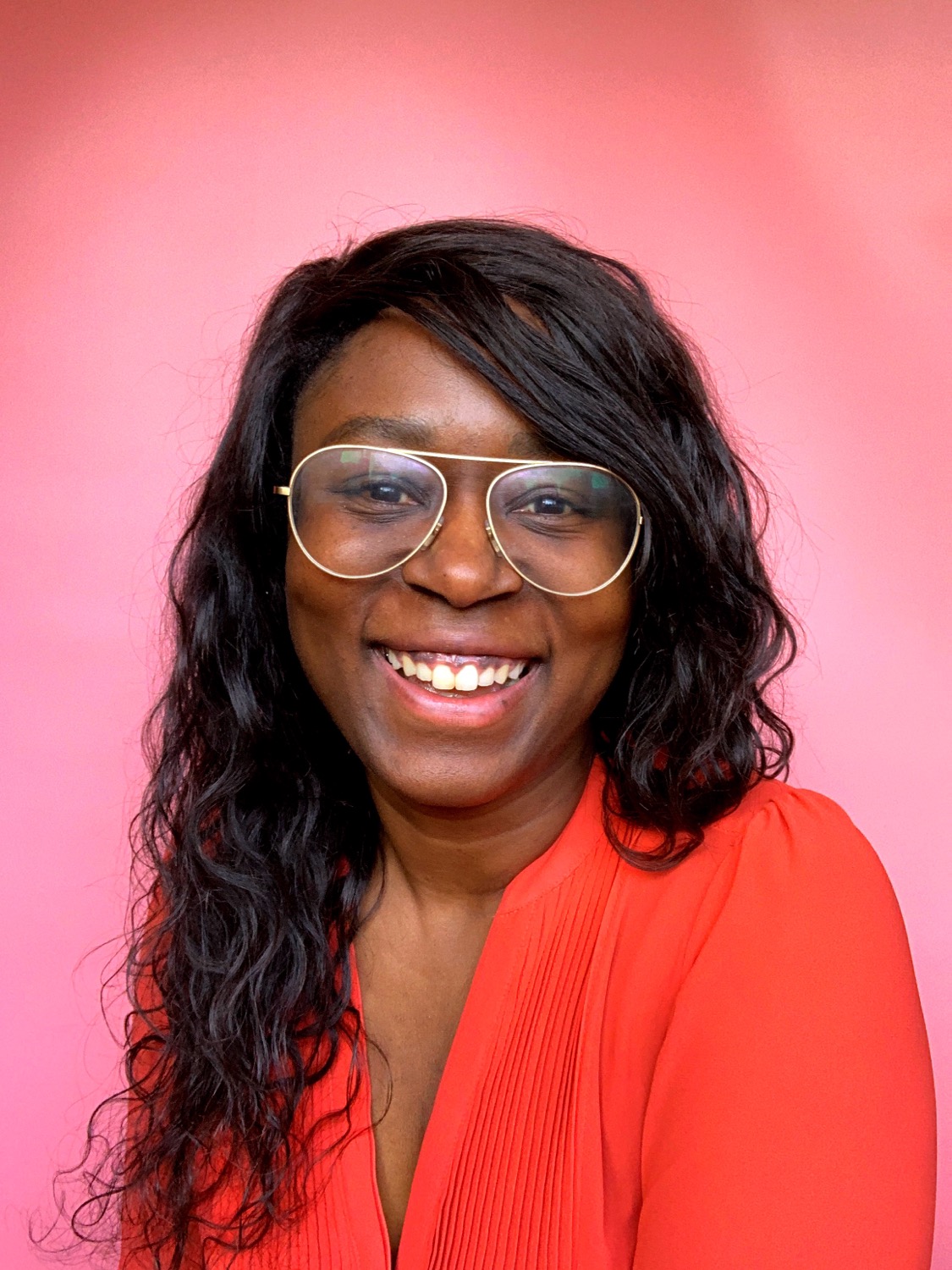
Leadership is often measured by results, promotions or the titles we hold. Yet the leaders we remember most are rarely defined by any of those things. We remember how they made us feel, the confidence they inspired and the opportunities they created for others to grow.
After more than twenty-five years leading commercial teams for some of the world’s best-known luxury brands, Laura Brown has taken those experiences and built Laura Brown Advisory, where she now works with senior leaders and executives to help them lead with greater confidence, authenticity and impact.
In this edition of FoundHers Boardroom, Laura reflects on the leadership lessons that have shaped her own career, why curiosity matters more than certainty, and why the most enduring leaders are those who leave people, teams and organisations stronger than they found them.
Why This Conversation Matters
Leadership has never been more complex.
Organisations are navigating rapid technological change, shifting workforce expectations and increasing demands for accountability, all while making decisions in an environment where certainty is often impossible. At the same time, conversations about leadership continue to focus on confidence, resilience and performance, sometimes overlooking the human qualities that enable people and organisations to thrive.
What makes Laura’s perspective particularly valuable is that she has experienced leadership from both sides. Having spent more than two decades leading commercial teams before establishing her own advisory business, she now has the privilege of observing leadership across multiple organisations and industries. That broader perspective has shaped a clear philosophy: great leadership is less about having all the answers and more about creating environments where other people can succeed.
This conversation explores what separates leaders who simply manage from those who leave a lasting legacy. It challenges assumptions about confidence, success and authority, while offering a thoughtful reminder that leadership is ultimately about people. Whether you already sit around the boardroom table or aspire to one day, Laura’s reflections offer valuable insights into the kind of leader our organisations, and our society, need more of.
Please note: A glossary of key terms and acronyms used in this interview is included at the end of this interview, for ease and clarity.

Throughout your career, you’ve worked with luxury brands and senior leaders before going on to establish Laura Brown Advisory. Looking back, what experiences most shaped your understanding of leadership, and at what point did you realise your greatest contribution would come not from leading organisations yourself, but from helping others lead more effectively?
Throughout my career, I've had the privilege of working with some exceptional brands, but more importantly, with an extraordinary range of people. I've worked alongside leaders who inspired absolute loyalty and brought out the very best in those around them, and I've also witnessed leadership that did quite the opposite. Observing both ends of that spectrum gave me one of the greatest educations of my career. I've always been fascinated by what makes people perform at their best. Watching the behaviours leaders model, the cultures they create, the confidence they build, or sometimes diminish and the lasting impact they have on individuals taught me far more than any leadership course ever could. Those experiences shaped not only the leader I aspired to become, but perhaps even more importantly, the leader I never wanted to be.
Over time, I also began to notice a recurring pattern. Organisations are full of talented, ambitious people with enormous potential, yet very few are given the time or space to stop and reflect on the kind of leader they truly want to become. We spend years developing technical expertise and commercial capability, but comparatively little time developing the self-awareness, confidence and clarity that great leadership demands.
When I returned from the Middle East, I took some time out to travel and reflect on what I wanted the next chapter of my career to look like. It became incredibly clear that while I'd enjoyed leading commercial functions and driving business performance, the part that had always given me the greatest fulfilment was developing people. It was never the products, the prestige or even the brands that motivated me most, it was helping individuals discover what they're truly capable of.
That realisation became the foundation of Laura Brown Advisory. Today, I work with ambitious leaders and executives who want to lead with greater confidence, authenticity and impact. There's nothing more rewarding than helping someone unlock their potential, navigate pivotal moments in their career and become the kind of leader others genuinely want to follow. For me, that's where meaningful and lasting impact is created. Brands may attract people, but leaders determine whether they stay, grow and perform.
Many people occupy positions of leadership, yet relatively few leave organisations fundamentally better than they found them. In your view, what distinguishes leaders who create lasting change from those who simply maintain the status quo?
I've written a great deal recently about the difference between leadership and management, and I think one of the biggest distinctions is this: people rarely remember a leader for the strategy they wrote or the targets they achieved. They remember how that leader made them feel about themselves, their team and the work they were doing. The leaders who create lasting change understand that transformation doesn't begin with processes or organisational charts, it begins with people. They create belief before they expect performance. They help individuals understand not only what they're trying to achieve, but why it matters and the role they play in making it happen.
Looking back on my own leadership career, one of the biggest lessons I learned was that sustainable high performance is never built through control. It comes from creating an environment where people feel trusted enough to take ownership, valued enough to contribute their best thinking and accountable enough to deliver on their commitments. That balance of trust, challenge and accountability is incredibly powerful. Building that kind of culture isn't easy, and it certainly doesn't happen overnight. It requires consistency, authenticity and the courage to have honest conversations. But when leaders invest the time to create it, something remarkable happens. People stop simply doing their jobs and start genuinely caring about the success of the business, their colleagues and one another.
For me, that's the difference between leaders who maintain the status quo and those who leave a lasting legacy. Their greatest achievement isn't just the results they deliver while they're there; it's the capability, confidence and culture they leave behind long after they've moved on.
Having worked alongside leaders across different organisations and stages of their careers, what patterns have you observed among those who continue to grow and evolve, compared with those whose leadership eventually plateaus?
One of the clearest patterns I've observed is that the leaders who continue to grow never assume they've finished learning. Regardless of their title or experience, they remain deeply curious about the world around them and intentionally seek out new perspectives. The pace of change over the last five years has been extraordinary. Markets have shifted, technology has transformed the way we work and employee expectations have evolved dramatically. Yet the more senior you become, the easier it is to become consumed by the demands of the role. Large teams, constant decision-making and relentless operational pressures can leave very little space to think beyond what's directly in front of you.
The leaders who continue to evolve do something different. They deliberately create that space. They lift their heads from the day-to-day and stay curious. They're interested in what's happening beyond their own organisation, industry or even country. They want to understand how other leaders are solving problems, where innovation is happening and what emerging trends could shape the future. Just as importantly, they actively seek exposure to those ideas, through their networks, travel, industry events, coaching, mentoring and conversations with people who challenge their thinking rather than simply reinforce it.
By contrast, the leaders whose growth begins to plateau often don't lack capability; they lack perspective. They become increasingly reliant on what has made them successful in the past, rather than remaining open to what will make them successful in the future. For me, that's why continuous leadership development matters. The most effective leaders don't see growth as something that happens between promotions, they see it as a lifelong commitment. They understand that investing in their own development isn't a luxury; it's a responsibility. Because when leaders continue to grow, the people around them grow too.

Leadership often demands certainty from people who are navigating uncertainty themselves. How do the most effective leaders reconcile the pressure to project confidence with the reality that they don’t always have the answers?
This is one of the most common conversations I have with coaching clients. Many leaders believe they're expected to have all the answers, when in reality, the higher you progress, the fewer clear-cut answers there often are. Leadership isn't about certainty; it's about navigating uncertainty with clarity, composure and sound judgement.
One of the biggest shifts I help leaders make is becoming comfortable with being uncomfortable. Growth rarely happens when everything feels familiar. It's the moments of uncertainty, challenge and change that stretch our thinking, build resilience and ultimately shape us into better leaders. Once you stop fearing uncertainty, you stop wasting energy trying to hide it and can focus instead on solving the problem in front of you. I don't believe the best leaders are the ones who always have the answers. They're the ones who ask the right questions, bring the right people together and create an environment where solutions can emerge. They have the confidence to say, "I don't know yet," without seeing it as a weakness, because they trust their ability and the capability of their team to find the answer.
Ironically, I've found that this mindset often creates greater confidence, not less. When you let go of the impossible expectation that you should know everything, you become more present, more curious and more decisive. Your confidence no longer comes from having all the answers; it comes from knowing you can navigate whatever comes next. Ultimately, I believe that's what modern leadership demands. In a world that's changing faster than ever, the leaders who thrive won't be those who always know the way, they'll be the ones who remain calm enough to find it.
Leaving a senior corporate career to establish your own advisory business inevitably changes not only what you do, but how you think. Were there any assumptions about leadership or success that you found yourself having to unlearn?
One of the biggest things I had to unlearn was that my value was defined by the role I held.
For over twenty-five years, my identity was closely connected to the organisations I worked for, the teams I led, the brands I represented and the results we delivered. Those experiences were incredibly rewarding, but stepping away from corporate life challenged me to think differently about what success and leadership really meant. Building my own advisory business made me realise that my greatest value was never the title on my business card or the size of the organisation I was leading. It was the experience, judgement and perspective I had built over many years, and my ability to use those insights to help others grow, develop and succeed.
I also had to unlearn the assumption that everyone views leadership in the same way. Throughout my corporate career, I was fortunate to work with many exceptional leaders who understood that leadership was not simply a role they performed, it was a reflection of who they were. Their integrity, how they treated people and how consistently they showed up were not dependent on their position or circumstances.
Creating my own business gave me exposure to an even broader range of people and reinforced how important those qualities are. The strongest leaders understand that every interaction matters. They follow through on commitments, they treat people with respect and they recognise that their personal brand is built through the small behaviours they demonstrate every day.
Ultimately, I came to understand that leadership is not something you switch on when you walk into work and switch off when you leave. It is about the values you consistently demonstrate, the trust you build and the impact you have on the people around you. That realisation has shaped the work I do today. I help leaders look beyond their role or title and focus on the leader they want to become because lasting success comes not just from what you achieve, but from how you achieve it and the legacy you leave behind.
People often assume that reaching the boardroom brings clarity and certainty. From what you’ve observed, what do those outside senior leadership most misunderstand about the realities of leading at that level?
I think one of the biggest misconceptions about senior leadership is that reaching the boardroom brings clarity and certainty. In reality, it often brings the opposite. The decisions become more complex, the information is rarely complete and the consequences of those decisions are much greater.
One thing I observed throughout my career is that the experience of being a senior leader can vary enormously depending on the culture and dynamics of the leadership team around you. The strongest boards create an environment where challenge, different perspectives and honest conversations are encouraged. They understand that great decisions don't come from everyone having the same view; they come from bringing together different experiences and perspectives. Perhaps the biggest misconception is that senior leaders have everything figured out. The reality is that they are often navigating the same uncertainty, self-doubt and challenges as everyone else, they are just doing so with greater visibility and responsibility.
The leaders who thrive at that level are not those who always know the answer. They are the ones who can create clarity from complexity, make thoughtful decisions with imperfect information and bring people with them through change.
Conversations about women in leadership often focus on confidence, ambition or resilience. Do you think we sometimes place too much responsibility on individual women to adapt, rather than asking organisations and leadership structures to change?
I think this is a really important conversation, because there is a balance to be found. Every leader, regardless of gender, has a responsibility to understand themselves, remain open to learning and adapt to the environment they are operating in. Growth requires self-awareness, reflection and a willingness to challenge yourself. However, I don't believe the responsibility should sit solely with individuals to adapt. Organisations and leadership cultures also have a responsibility to create environments where people can thrive and where different leadership styles, perspectives and experiences are genuinely valued.
One of the things I often explore with coaching clients is the difference between adapting and compromising. Great leaders understand that they need to flex their approach depending on the situation, but they don't lose sight of who they are, their values or the strengths that make them effective. For women in leadership, I think we sometimes place too much emphasis on developing more confidence, resilience or ambition, when many women are already demonstrating those qualities every day. The more powerful question is whether they have the clarity, support and opportunity to use those strengths effectively.
Ultimately, I believe great leadership comes from helping people understand themselves more deeply—what they bring, how they impact others and where they want to grow. When individuals have that self-awareness, and organisations create the right environment for them to succeed, that is when you see the strongest leaders emerge.
Many conversations about women in leadership focus on confidence. Yet confidence without competence can be fragile, and competence without confidence can go unnoticed. How do you see the relationship between the two, and which do you believe leaders should prioritise developing first?
I meet many leaders, particularly women, who tell me they lack confidence. Yet when I spend time with them, I often see something quite different. I see highly capable, experienced and thoughtful individuals who have simply misinterpreted some of their greatest strengths. I know this because I was one of them. Early in my own leadership career, I worked with a coach because I believed confidence was something I needed to develop. I remember telling him that I questioned whether I was good enough, that I checked my work repeatedly, replayed difficult conversations in my head and spent a lot of time thinking about how my decisions and words might affect other people. I'll never forget what he said to me. He challenged me to look at those behaviours differently. What if that wasn't a lack of confidence? What if checking my work reflected high standards? What if thinking carefully before making a decision demonstrated good judgement? What if reflecting on conversations wasn't insecurity but emotional intelligence and a genuine desire to lead people well?
That conversation fundamentally changed how I saw myself. The behaviours I had labelled as weaknesses were, in many cases, the very qualities that made me an effective leader. I simply needed to recognise them for what they were. Of course, competence matters. Confidence built without substance is fragile. But equally, competence on its own isn't enough if you constantly underestimate your own capability or allow self-doubt to overshadow your contribution.
Today, one of the most rewarding parts of my coaching is helping leaders make that same shift. Not by giving them confidence, but by helping them recognise the strengths they already possess and see themselves through a more balanced and objective lens. I've come to believe that confidence doesn't come from becoming someone different. It comes from understanding who you already are, recognising the value you bring and having the courage to lead from that place.
The next generation of leaders will inherit organisations shaped by artificial intelligence, geopolitical uncertainty, changing workforce expectations and increasing demands for accountability. Which leadership qualities do you believe will become indispensable over the next decade, and which do you think we have historically overvalued?
I actually believe that the more technology evolves, the more important human leadership becomes. Artificial intelligence will undoubtedly transform the way we work, but it won't replace the need for leaders who can inspire trust, build relationships, navigate complexity and bring people together around a shared purpose. If anything, those qualities will become even more valuable. For me, one leadership quality will become absolutely indispensable: emotional intelligence. The ability to understand people, communicate with empathy, build trust, navigate difficult conversations and create environments where others can perform at their best will increasingly differentiate great leaders from average ones. I also think the best leaders of the future will become even more comfortable sharing responsibility. They won't feel they need to be the smartest person in the room or the expert in every discipline. With the pace of technological change, that's simply unrealistic. Instead, they'll build diverse teams, surround themselves with people who know more than they do in specialist areas and create a culture where expertise is trusted, valued and empowered to influence decisions.
Ultimately, leadership is becoming less about having all the answers and more about asking the right questions. A leader's role is to provide vision, create clarity, remove barriers and bring out the very best in the people around them. Their team's expertise is what turns that vision into reality. If there's one quality I think we've historically overvalued, it's the idea that great leaders need to have all the answers. For years we've celebrated the charismatic expert or the heroic decision-maker. I think the future belongs to leaders who are curious enough to keep learning, humble enough to listen and confident enough to admit when someone else has the better answer. At its heart, business has always been about people. Technology will change how we work, but it won't change the fundamental importance of trust, relationships and human connection. The leaders who understand that will be the ones who create organisations that are not only more innovative, but also more resilient and more successful.
Has your own definition of success changed over the course of your career? If so, what does success mean to you today that it perhaps didn’t twenty years ago?
Absolutely. In fact, I think my definition of success has evolved with every stage of my career.
Twenty years ago, success was largely measured by progression. I wanted the bigger role, greater responsibility, the opportunity to lead larger teams and, of course, the financial rewards that came with it. I loved the challenge of growing my career, and I'm proud of everything those experiences taught me. As my career developed, however, success became less about the title and more about the learning. I found myself actively seeking opportunities that would stretch me—new markets, different cultures, unfamiliar challenges and perspectives that pushed me to think differently. I've always been wary of complacency. For me, growth comes from remaining curious, embracing change and continually placing yourself in environments where you're still learning. \
Today, my definition of success is different again. Success is waking up excited about the work I do. It's having the freedom to choose who I work with and knowing that the people I partner with inspire me just as much as I hope to inspire them. It's seeing someone have that moment of clarity, confidence or breakthrough that changes how they lead, how they see themselves or the direction of their career. I've come to realise that success isn't something you achieve once and then hold on to. It's something you experience when your work is aligned with your values, when you're continuing to learn and when you know you're making a meaningful difference to other people's lives. Ironically, after spending much of my career helping businesses grow, I now measure success much more simply. If I can help someone unlock their potential, become a better leader and leave our conversations believing more in themselves than when they arrived, then I feel I've had a successful day. For me, that's a far more meaningful measure of success than any job title ever was.
You mentioned that you’re passionate about helping women develop strong leadership confidence and competence because, as you put it, “the world needs it”. Why do you believe women’s leadership matters, not just for individual careers, but for organisations and society more broadly?
When I say the world needs more women in leadership, what I really mean is that the world needs more great leaders—and we simply can't afford to overlook half of the available talent. This isn't about suggesting that women lead better than men. Throughout my career I've been fortunate to work with exceptional leaders of both genders. What matters is the quality of leadership, not the gender of the person delivering it. However, I do believe organisations are stronger when leadership reflects a broader range of perspectives, experiences and ways of thinking. The challenges we face today are increasingly complex. They require leaders who can balance commercial thinking with emotional intelligence, combine ambition with empathy and think not only about immediate results, but about the long-term impact of the decisions they make.
One of the reasons I'm passionate about supporting women is that, historically, many haven't had the same opportunities to step into senior leadership or to have their potential recognised in the same way. While significant progress has been made, I don't think the conversation is finished. There is still work to do to ensure talented people are judged by their capability, character and contribution rather than by outdated assumptions about what leadership should look like.
Through my coaching, I've had the privilege of working with many exceptional women who already possess the competence, values and leadership capability to make an extraordinary impact. Often, what they need isn't to become someone different—it's the space to recognise the strengths they already have, lead with greater conviction and stop questioning whether they're enough. Ultimately, this isn't just about individual careers. Better leadership creates healthier cultures, stronger organisations and more engaged teams. And because leadership exists everywhere—not just in business, but in our communities, our schools and our families—the ripple effect extends far beyond the workplace. That's why this conversation matters. When we help more talented people become the leaders they're capable of being, everyone benefits.
If you could spend an afternoon inside the decision-making process of any leader, past or present, simply to understand how they think, who would you choose, and what questions would you most want answered?
That's probably the hardest question of the interview!
I've been incredibly fortunate throughout my career to work alongside some exceptional leaders who were generous enough to let me into their thinking. Watching how they approached difficult decisions, balanced competing priorities and navigated uncertainty has been one of the greatest privileges of my career. What fascinates me most isn't leadership during periods of stability, it's leadership in moments of extraordinary adversity, when there is no obvious answer and every decision carries significant consequences. There are several leaders I'd love to observe for different reasons. I'd be fascinated to understand how Margaret Thatcher processed the weight of making deeply consequential decisions while leading in an era when very few women occupied positions of that influence. Equally, I'd be intrigued to watch Barack Obama, whose ability to remain thoughtful, measured and deeply connected to people while carrying enormous responsibility has always impressed me.
More recently, I'd have loved to sit quietly in the room with leadership teams during the COVID-19 pandemic. They were making some of the most difficult decisions of their careers with incomplete information, no precedent to follow and enormous responsibility for people's livelihoods and wellbeing. Interestingly, I'm not sure my biggest questions would be about the decisions themselves. I'd want to understand what happened before the decision. How did they separate emotion from judgement? Whose opinions did they seek out? How did they know when they had enough information to act? How did they manage the weight of knowing that whatever they chose, some people would disagree?
Perhaps that's the coach in me. I'm endlessly fascinated by how people think. Because I've come to believe that the quality of our decisions is rarely determined by intelligence alone—it's shaped by our judgement, our values, our self-awareness and our willingness to listen before we lead.
Finally, imagine a young woman reads this interview ten years before she steps into her first boardroom. What is the one idea or mindset you hope she carries with her throughout her leadership journey?
If I could leave her with just one idea, it would be this: never forget that leadership is, and always will be, about people.
There will always be pressure to have the answers, to prove yourself, to appear confident and to demonstrate that you're ready. But the most effective leaders I've ever worked with weren't the ones who knew everything. They were the ones who were curious enough to keep learning, humble enough to listen and confident enough to surround themselves with people who were smarter than they were in different areas.
One of my favourite leadership principles is, "Seek first to understand, then to be understood." That mindset has stayed with me throughout my career. When you genuinely listen to people, understand what motivates them and create an environment where they feel trusted, valued and able to contribute, extraordinary things can happen. So don't measure your success by how many answers you have. Measure it by the quality of the questions you ask, the trust you build and the opportunities you create for others to thrive. Because one day, people won't remember every decision you made or every presentation you delivered. They'll remember how you made them feel, what you helped them become and the confidence you gave them to achieve more than they thought possible. I think that's what great leadership looks like. And if more leaders embraced that mindset, I genuinely believe we'd build stronger organisations, healthier cultures and a better future for everyone.
A special thank you to Laura Brown, for agreeing to be interviewed for FoundHers Boardroom and becoming a part of the STYLISA FoundHers community. If you’re interested in finding out more about her work:
Connect with Laura on LinkedIn
Discover Laura Brown Advisory
FoundHers Boardroom Takeaways
Great leadership begins with people
Lasting change isn’t created through processes alone. It comes from building trust, creating belief and helping people perform at their best.
Curiosity is a leadership advantage
The leaders who continue to grow never assume they’ve finished learning. They actively seek new perspectives, challenge their own thinking and remain open to change.
Confidence grown from self-awareness
Real confidence isn’t about having all the answers. It comes from understanding your strengths, recognising the value you bring and leading with authenticity.
Leadership isn't about certainty
The strongest leaders don’t pretend to know everything. They ask thoughtful questions, make sound judgements and create clarity in uncertain situations.
Your legacyis measured by the people you leave behind
Long after strategies and business results have been forgotten, people remember how leaders made them feel, what they helped them become and the cultures they created.
FoundHers Boardroom Glossary: October Edition
Because understanding the language is half the battle.
Emotional Intelligence: The ability to recognise, understand and manage your own emotions while understanding and responding effectively to the emotions of others.
Leadership Legacy: The lasting impact a leader leaves behind through the people they develop, the culture they create and the decisions they make.
Self awareness: Understanding your own strengths, behaviours, values and the impact you have on other people.


Comments