FoundHer FundHers September: Laura Ann Moore on Why Wealth Is About More Than Money
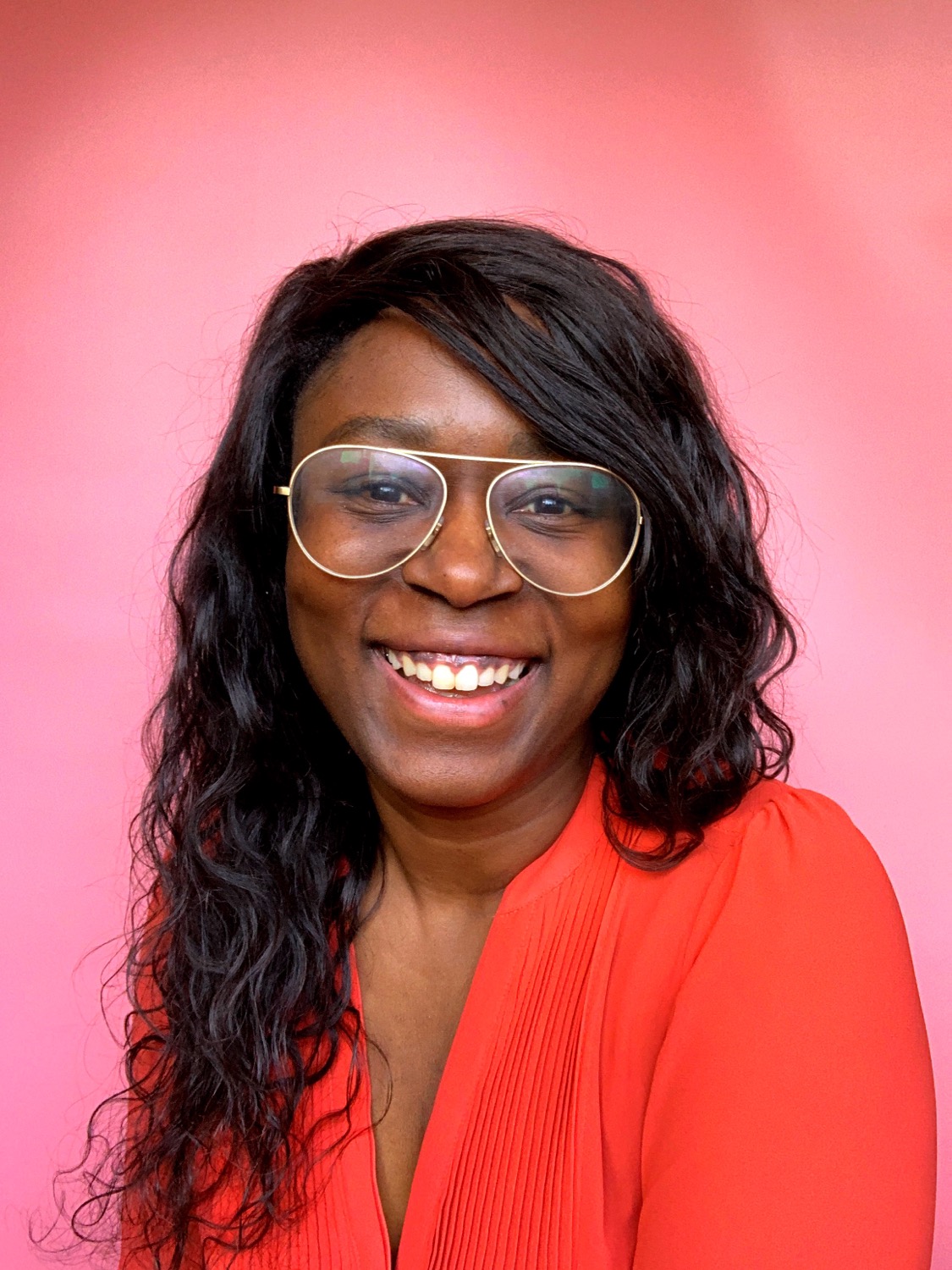
Money is often presented as a numbers game. Save more, spend less, invest wisely. While those things matter, they are only part of the picture. Our beliefs, experiences and emotions also shape the financial decisions we make, often more than we realise.
For this month’s FoundHer FundHers, I’m delighted to welcome financial coach, speaker, podcast host and author Laura Ann Moore. Laura has built a community by helping people approach money with greater confidence, compassion and clarity. Her work encourages us to see money not simply as something to manage, but as a tool that can create freedom, opportunity and choice.
This conversation also marks a first for FoundHer FundHers, as Laura becomes the first author to be interviewed in the series. Ahead of the release of her new book, Find Your Wealth: The Mind, Money, Soul Guide to Making Your Money Work for You, we explore everything from financial confidence and investing to self-worth, wealth and why changing your relationship with money can be just as important as changing your bank balance.
Why This Conversation Matters
Money touches almost every aspect of our lives, yet many women still grow up believing it is something to fear, avoid or leave to someone else. While conversations around financial literacy are becoming more common, we often focus on the practical aspects of money without acknowledging the beliefs and experiences that shape our financial decisions in the first place.
That is what makes this conversation with Laura Ann Moore particularly timely.
Rather than seeing money as an isolated subject, Laura invites us to consider the bigger picture. She explores the connection between our financial habits, our confidence, our self-worth and the stories we tell ourselves about what is possible. It is a perspective that challenges the idea that building wealth is simply about earning more or finding the perfect budgeting method.
At the heart of this conversation is a message that sits closely with the purpose of FoundHer FundHers: financial education should empower, not intimidate. Whether you are just beginning your financial journey, rebuilding after a setback or thinking more intentionally about your future, understanding money is one of the most powerful investments you can make in yourself.
Because when more women have the confidence to understand, manage and grow their finances, they also create greater freedom, opportunity and choice, not only for themselves, but for future generations.
Please note: A glossary of key terms and acronyms used in this interview is included at the end of this interview, for ease and clarity.

Laura, for those discovering you for the first time, can you tell us a little about your journey and what led you to become a financial coach?
A bit about my story: I always wanted to be an actress from a very young age so my north star was having enough money to fund my own journey through Drama School. I come from a family with little money and it is always a negative and stressful topic, so I couldn't get support from my parents or anything. I saved £15,000 in my early twenties and then spent almost all of it travelling to Australia/South East Asia… no regrets.
When I was away I realised how cool money is, I had that lightbulb moment of that money gives you choice and freedom so that capitulated me into my career in financial education. THAT moment changed my life. And I wanted everyone to experience that and that is what led me to talking about money online through social media and instagram. Covid struck, I got furloughed, had all this time in the world to make content, ended up on BBC News London giving saving tips and my career took off there.
The financial coaching qualification came a few years later when people started asking me to help them with their budgeting and saving in a 1:1 capacity. I realised how you can have all the financial education about the practical stuff (budgeting pensions, saving pots etc...), but if you have a poor or negative relationship to money, you must focus on this first. Financial change starts within you, not outside of you. You think more money is the problem… Most of the time it is how you think about money and your relationship to money and your self worth etc. This led me to get my financial coaching qualification so I could help people change at a behavioural level, not just providing tips and hacks.
Looking back, was there a particular moment or experience that completely changed your own relationship with money?
I have had countless experiences that have shifted my perception. The first big one was mentioned above when I saved £15k, got to go travelling and realised how amazing money can be as a tool.
A few years later £25,000, this time from a much steadier, more grown-up place, and used half of it to build my business and the rest to start investing. Same behaviour and similar goal but completely different energy behind it. I learnt that the amount in your savings account is NOT the important part. The relationship I had with myself while I was saving and spending it is the important part.
The experiences I had, the memories I created, the opportunities I called in and the person I became on the journey. Money can be an amazing tool when you are connected to yourself and listening to the nudges leading you to save/spend/invest… it might not always make financial sense on paper, but some decisions make emotional sense.
Your work brings together the mind, money and soul. What does that mean in practice, and why do you believe financial education has to go beyond spreadsheets, budgets and numbers?
In practice it means I never separate the psychology and spirituality from the practical. I take a very holistic approach to money and finances. If someone comes to me wanting help with a budget, I'm not just going to hand them a spreadsheet (ever) I am going to dive deeper into their relationship to themselves, their self-worth, to their thinking, how connected they are to their body and the nudges or their wisdom.
Traditional financial education assumes the problem is a knowledge gap. “Give someone the right information and they'll do the right thing”. But education, whilst important, is the strategy you use to build wealth but to actually change your habits, implement the practical stuff you learn, and stick at it, requires a fundamental change on an internal level. It requires realisations and acknowledgement, honesty with yourself, judgment free exploration, learning how to be present (to name a few!)
You can have all the spreadsheets and budgets in the world, doesn't mean you will stick to it. For example if you got bullied growing up, and have some underlying low self esteem about how you look, you might find yourself overspending on money. You don't have to buy things you think will make you feel good or happy finally. Or maybe you say you want to build wealth but even after reading all the books you struggle to actually take risks, which could come from a lack of confidence in one's own abilities. This is very common for women too!

Your new book is called 'Find Your Wealth: The Mind, Money, Soul Guide to Making Your Money Work for You'. What do you hope readers will think differently about wealth after they’ve finished reading it?
I want them to understand the difference between money and wealth. I want them to stop treating wealth as a number they're chasing and start treating it as a life they're building.
We've been taught that wealth is what's left in your account after everything else, as if it's the reward for surviving your actual life. I want readers to walk away understanding that real wealth is financial, yes, but it's also emotional, physical, and spiritual. A woman with a big bank balance but a body that's running on empty or a soul that feels unfulfilled isn't wealthy. She's just rich and exhausted!
The book aims to bring people instant relief from financial stress and long lasting financial ease as they build wealth in all areas of their lives.

So many women are taught to be careful with money, but not necessarily confident with it. What do you think is missing from the way women and girls are typically educated about money?
The missing piece is permission. We're taught to be careful, to save for a rainy day, to not be "silly" with money… all of it is instilling fear and caution into us, it stops us taking risk or thinking build wealth is for us.
Your relationship with money allows you to be confident, joyful. I love to show women that wanting more, desiring financial security, taking up space with our ambition and going after our big goals is not reckless! We know how to be careful yet we were never taught how to trust ourselves. Money has been made to be SO practical, and strategic; the emotional piece gets forgotten about (or misunderstood). Confidence is built with action, yet the financial stakes feel so high it stops women making aligned financial decisions. And what I have learnt first hand is it's okay to make financial mistakes - that is how you learn.
You speak openly about the emotional side of money. What are some of the most common beliefs or behaviours that stop women from building financial confidence?
I used to hear a lot of ‘I am bad with money’, ‘I don't know what I’m doing’, ‘I don't know enough’ or ‘oh I don't have the time to sort my finances’.. it was always a lot of avoidance or lack of confidence. But something I have learnt since writing the book and working with 100’s of people in a financial coaching capacity is that financial confidence looks different for everyone.
What it means to be confident with my money will show up very differently from person to person. But I view it as the ability to make aligned decisions and to take action knowing that I will always be okay no matter what the outcome.
There can be a lot of shame attached to money, whether someone is earning too little, spending too much, living with debt or simply avoiding their finances. How can women begin to rebuild trust with themselves financially?
Start by getting honest with yourself, acknowledging the financial position you are in without judging what you find. It can feel easy to avoid your finances because you are scared of what you might find or discover, but shame survives in silence. Shame makes you think something is wrong with YOU, like a personal defect.
One of my favourite stories from a client is a young girl in years worth of debt and a cycle she couldn't get out of. We spent an afternoon sitting down and going through all of her debt and making a plan. Nothing was paid off, nothing changed, and yet she felt so much lighter, clearer and ready to make a change. Simply knowing what was going on with her finances helped her go “oh okay so it might take me 3 years to clear … but at least I now know it is possible” .
Trust gets rebuilt the same way it does in any relationship: small, consistent, honest check-ins: A monthly money date, tracking without judgement for thirty days just to notice the patterns, keeping a journal of your sending etc.
What is the difference between being financially responsible and being financially restricted?
Being financially responsible means you know your numbers, you've got a system, and you make decisions aligned with what you actually value and your bigger goals. Restriction is the "never spend, always save" mindset. I think it's more rigid and fear-based, and it doesn't create space to actually enjoy the life you’re creating.
If you think about having a relationship to food and your body, restriction eventually leads to bingeing, or to avoidance. It might last for a short period of time but ultimately it never lasts and it's not sustainable. But being responsible means the focus is on being healthy and moving your body, but you do it in a way that works with your daily life, you enjoy “treats” but it is balanced out with food that makes you feel good. Apply the same approach to your money.
You saved over £40,000 and often talk about making money work for you. What did that experience teach you about discipline, confidence and long-term thinking?
I prefer to think about devotion or discipline. Discipline to me feels forced, but devotion feels exciting. My financial confidence didn't come from the number in my savings or investments growing. It came from proving to myself, over and over, that I could make decisions with my money and survive them (good ones and bad ones). That's long-term thinking, trusting that you'll still be capable moment to moment with your money, whatever you decide today.
I have now ‘spent or used’ all of the £40,000 I saved and invested and my own financial wealth is lower than ever. Yet I'm the most confident I have ever been in my own financial trajectory - I know that I will be financially wealthy. I have a financial education that no one can take from me. I know that life is not about accumulating as much money as possible but instead comes from adaptability to life, knowing that shit happens, and money is there to support me, not stress me out. My okay-ness is not associated with being the richest, but instead it is found inside of me at any given moment regardless of my money. That to me is true wealth and creates a more beautiful breeding ground for financial lessons and growth.
We often hear the phrase "make your money work for you". For someone at the very beginning of their financial journey, what does that actually look like in practice?
When I think of this phrase, I think specifically of investing. Using the money I create (through working and swapping time/expertise for money) and making it make more money and freedom for me. When you invest into something, this could be the stock market, into property, into gold or crypto, (these are all assets), the aim is that your asset goes up in value and then your money compounds. This means over time, your “money makes money”. You can also apply this concept to investing into a business. When I set up my business 5-6 years ago, I used the cash I had to buy equipment and software and tech and systems, and into my own skills as a coach and a speaker.
Your book also acknowledges the wider inequalities that shape people's financial lives. How do we encourage women to take ownership of their finances while recognising that not everyone starts from the same place?
Those two things aren't in tension, and I think that's where a lot of financial content gets it wrong… it either ignores the structural stuff entirely and blames the individual, or it leans so hard into the systemic barriers that women feel powerless to do anything at all but the truth of the matter is not so black and white, its more grey , it is somewhere in the middle between it all.
Yes, the gender pay gap is real. The pension gap is real. The investment gender gap is real. Career breaks cost women money in ways that aren't openly talked about. None of that is your fault, and none of it should be minimised. But we cannot convince ourselves that the system is fair. Deciding you're not going to wait for it to become fair before you start building something for yourself is SO empowering, especially for women. You can hold the anger towards the injustice of the system or society you are born into and simultaneously take the next practical step.
Having radical acceptance of our own starting point in life means you don't become a victim to your own money story. It instead becomes a part of your story, of who you are. I come from a family that had no money, I won't have anything to inherit: no property, no investments, no assets. And I can either sit and cry about how unfair it is that I don't get to draw down on the “bank of mum and dad” to get a leg up into the property ladder. OR I can go “wow look at the life I am creating for myself - it might take me longer, but I am so proud of myself”. That is a more beautiful and peaceful way to live if you ask me.
What would you say to a woman who feels she's left it too late to start saving, investing or building wealth?
There is no such thing as being behind. Everyone is on their own journeys. Earl Nightingale said once: Never give up on a dream just because of the time it will take to accomplish it. The time will pass anyway.
We can have preferences for things aka I wished that I started investing at 18 and never stopped… but that is not the reality of life. My investments are back down after needing to rely on my money to get through a hard time in my life. So technically I am ‘starting again at 32’. It is better to start at any age than to never start at all.
The version of herself five years from now is going to look back on today as "early," no matter what age she starts at. It's never too late, it's just later than the version of the plan you had in your head.
Waiting until you earn more, or until you feel ready, or until it's "not embarrassing" anymore, is one of the most expensive decisions you can make. Start with what you have today and see what happens because time will pass anyway…

Finally, what are three pieces of advice you would give to women and girls who want to build a healthier, more confident relationship with money?
Stop waiting to feel ready. Confidence with money isn't a feeling that arrives before you start, it's a byproduct of starting. Everything is built through action and momentum and proving to yourself what you are capable of.
Your financial life will have eras, it will not be a straight line. Some eras are for saving, some are for spending, some are for rebuilding from zero. Judging yourself for being in the "wrong" era is what keeps people stuck, not the era itself. There is no wrong era… for as long as you live aligned with who you are and what you want for yourself, you are always right on time!
Get honest with yourself, increase your own awareness of your relationship to money and then be bold enough to look at your actual numbers. Not the story you've told yourself about your numbers.
Bonus tip: Read my book Find Your Wealth because I walk you through a 5 step framework (called ALIGN) which leads you to the healthiest relationship with money and everything will change for you.
A massive thank you to Laura Ann Moore, for agreeing to be interviewed for FoundHer FundHers, and becoming a part of the STYLISA FoundHers community. If you’re interested in finding out more about her work:
Discover Mind, Money, Soul
Discover Laura's New Book Find Your Wealth: The Mind, Money, Soul Guide to Making Your Money Work for You
Connect with Laura on LinkedIn
FoundHer FundHers Takeaway:
Money Is About More Than Numbers. Financial education is important, but lasting change often begins with understanding our beliefs, behaviours and emotions around money. Building wealth is as much about mindset as it is about maths..
Wealth Looks Different for Everyone. A healthy bank balance is only one measure of wealth. True wealth also includes our wellbeing, relationships, purpose and the freedom to make choices that align with the life we want to build.
Financial Confidence Comes Through Action. Confidence rarely appears before we take action. It develops through making decisions, learning from experience and trusting ourselves to navigate whatever comes next.
Shame Thrives in Silence. Avoiding money can make financial challenges feel even bigger. Facing our finances with honesty and without self-judgement is often the first step towards creating positive change.
Money Should Support Your Life, Not Control It. Being financially responsible does not mean denying yourself everything you enjoy. The goal is to build habits that support both your long-term goals and your present wellbeing.
Investing Helps Build Long-Term Wealth
Making your money work for you often means investing in assets that have the potential to grow over time. Starting early can help, but it is never too late to begin.
Your Starting Point Does Not Define Your Future
Not everyone begins with the same opportunities or financial advantages. While recognising those inequalities is important, taking ownership of the decisions within our control can still create meaningful progress.
There Is No Such Thing as Being Too Late
Whether you are saving your first £100 or rebuilding after a setback, the most important step is simply to begin. Progress is always possible.
FoundHer FundHers Glossary: September Edition
Because understanding the language is half the battle.
Asset: Something that has financial value and has the potential to increase in value or generate income over time, such as property, shares or a business.
Compound Growth (Compounding): The process of earning returns not only on the money you originally invest, but also on the returns that investment has already generated.
Cryptocurrency: A type of digital currency that uses cryptography to secure transactions. Cryptocurrencies can be highly volatile and carry significant investment risk.
Financial Coaching: A form of coaching that combines practical money management with support to help people understand and improve their financial behaviours, habits and mindset.
Financial Confidence: Feeling able to make informed financial decisions, take appropriate action and trust yourself to manage your money over time.
Financial Wellbeing: A sense of security and control over your finances, allowing you to meet your current needs while planning confidently for the future.
Gender Pay Gap: The difference in average earnings between men and women across the workforce. It reflects broader patterns rather than differences in pay for the same role.
Investment: Money used to buy an asset with the aim of generating future growth or income. Investments can rise or fall in value.
Investment Gender Gap: The difference between men and women in how likely they are to invest and the amount they invest, which can contribute to long-term wealth inequalities.
Pension Gap: The difference in pension savings between different groups, often referring to the lower average retirement savings accumulated by women compared with men.
Self-Worth: The value and respect we place on ourselves. Laura explains how self-worth can influence financial decisions, confidence and long-term money habits.
Stock Market: A marketplace where investors buy and sell shares in publicly listed companies.
Wealth: While often associated with money, Laura encourages readers to think of wealth more broadly, encompassing financial security, wellbeing, purpose, health and freedom of choice.


Comments